
 Trading Guides
The Trade Up Game: Your Guide to Trading for Anything
Want to play the ultimate real-world challenge? The trade up game lets you turn a single small item into something massive, all without spending a dime.

You have stuff you don't want. That's a fact. That dusty guitar, the stack of video games, the kitchen gadget you used once. What if you could turn that clutter into a down payment on a house? Or a Rolex? Or a car?
It’s not a fantasy. It’s a challenge. It's the trade up game.
This is the ultimate test of resourcefulness, a real-world quest that rewards creativity and hustle, not a fat wallet. Forget spending cash. The currency here is value, and you're about to become an expert in creating it. If you've ever heard the story of a guy who traded a single paperclip for a house and thought, "I could do that," then you're in the right place. This is your guide to playing—and winning—the item trading game.
What Exactly is the Trade Up Game?
At its core, the trade up game is a series of strategic barters. You start with one small, low-value item and trade it for something slightly more valuable. Then you trade that new item for something even more valuable. You repeat this process, climbing the value ladder, until you reach your ultimate goal.
The entire concept was immortalized by Kyle MacDonald back in 2005. He started with a single red paperclip and, through fourteen trades over a year, ended up with a two-story farmhouse. Don't believe it? You can read the whole story of the red paperclip trade. His journey proved a powerful point: value is subjective.
The person who traded a snowmobile for a trip to Yahk, British Columbia, didn't need the snowmobile anymore. The town of Kipling, Saskatchewan, that traded away a house for a movie role didn't need an empty property; they needed publicity. Every trade worked because both parties got something they wanted more than what they gave away. That's the secret. You aren't trying to trick anyone. You're finding the person who values your item more than you do.
This isn't about finding items with a higher sticker price. It's about finding a higher perceived value. Your old comic book collection might be clutter to you, but to a collector, it's a missing piece of their passion project. That's the leverage you'll use to win your own barter challenge.
The Psychology Behind the Barter Challenge
Why does this simple concept captivate so many? It’s more than just getting free stuff. The trade up game taps into some fundamental human drivers.
The Thrill of the Hunt
Your brain loves a good game. Every time you open an app to see if you have a new match, you get a small hit of dopamine. The trade up game is this on steroids. Sourcing your next item, crafting the perfect pitch, negotiating a deal, and finally making the swap—it's a loop that’s incredibly rewarding. It gamifies real-life commerce, turning the mundane task of getting rid of old stuff into an epic quest. Each successful trade is a level-up. You can even see how you stack up against others on the Flipuz leaderboard.
The Power of Story
A boring used item becomes fascinating when it's part of a story. “I’m selling my old bike” is a transaction. “I’m trading this bike as the third step in my journey to trade up to a sailboat” is an adventure. People are drawn to narratives. They don’t just want to trade for an item; they want to be a part of your story. When you trade, you aren't just exchanging objects; you're exchanging histories. Your documentation of this journey becomes an asset in itself, attracting more and better offers.
Escaping Consumer Culture
Let’s be honest: we're drowning in stuff. The trade up game is a powerful antidote to mindless consumerism. It's a system built on resourcefulness, not retail therapy. You acquire what you want by being clever and sociable, not by swiping a credit card. It’s a sustainable way to cycle goods through the community, putting useful items in the hands of people who will actually use them. It’s a philosophy that puts value back into the things we own. If you're new to this mindset, our bartering guide for beginners is a great place to start.
How to Start Your Own Item Trading Game
Ready to play? Talking about it is easy, but the first trade is where the real fun begins. Here's your step-by-step plan to get started.
Step 1: Find Your "Paperclip"
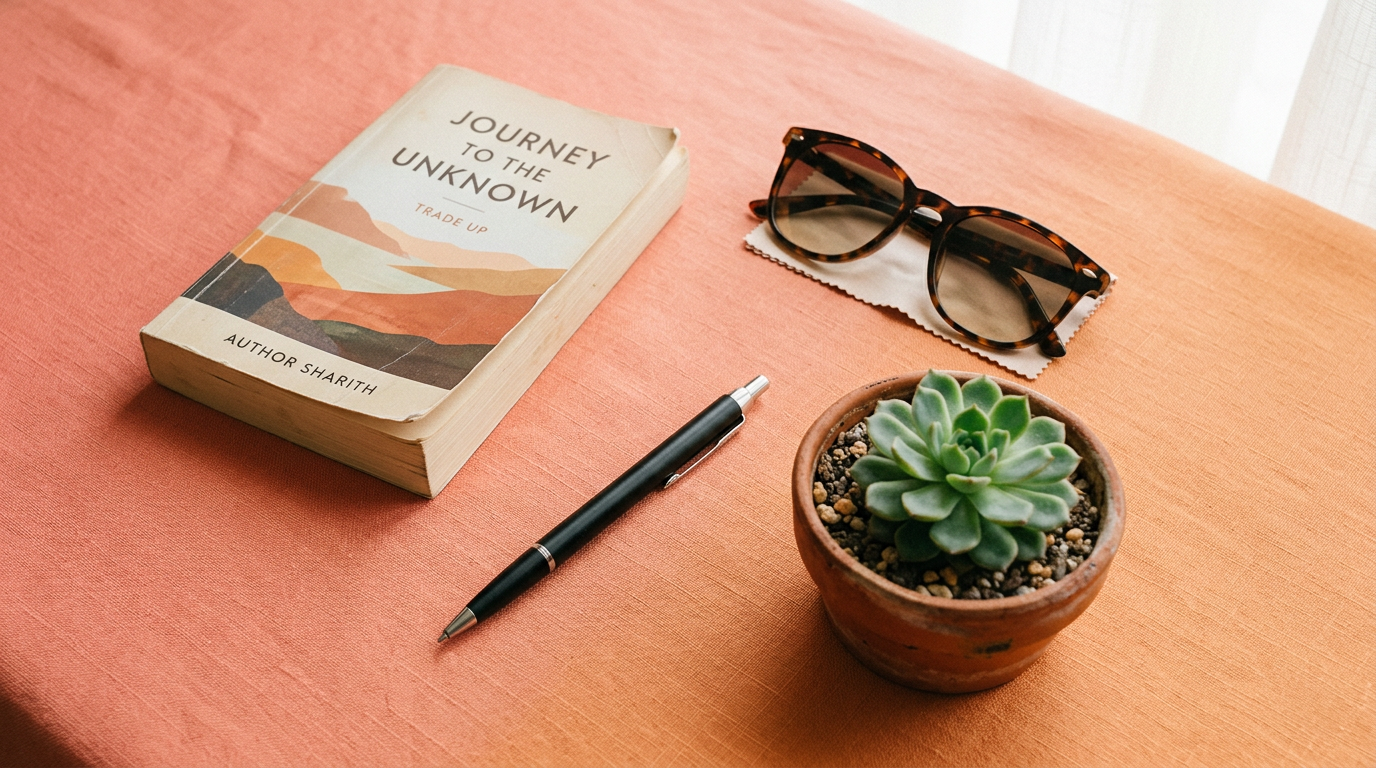
Your first item is crucial. It needs to be interesting enough to spark a conversation but common enough that you're willing to part with it. Don't overthink it. You’re not starting with a diamond. You’re starting with something you already own and don’t need.
Good starter items have a few things in common:
- Low Sentimental Value: Don't start with your grandfather's watch. You need to be emotionally ready to let it go.
- Easy to Transport: A pen, a book, or a pair of headphones are easier to trade than a refrigerator.
- Broad Appeal: A quirky gadget, a popular paperback, or a simple tool appeals to more people than a niche collectible.
Dig through your drawers and closets. You’ll find your paperclip. For more inspiration, check out our list of the best starter items for a trade up.
Step 2: Set Your Goal (Or Don't)
There are two main schools of thought here. You can either aim for a specific, audacious goal or just see where the journey takes you.
- The Dream Goal: This is the "trade up to a Tesla" approach. Having a big, exciting goal is incredibly motivating. It gives your story a clear destination and helps you evaluate trades. Does this trade get me closer to my goal? On Flipuz, we built a whole feature for this. You can declare your Dream and track your progress towards it.
- The Wanderer's Path: Maybe you don’t have a specific goal. Your aim is simply to end up with something cool and have fun along the way. This approach offers more flexibility. You can take side-quests and make trades based on pure interest, not just a calculated step towards a singular objective.
There's no wrong answer. Just pick a path and get moving.
Step 3: Find Your Trading Arena
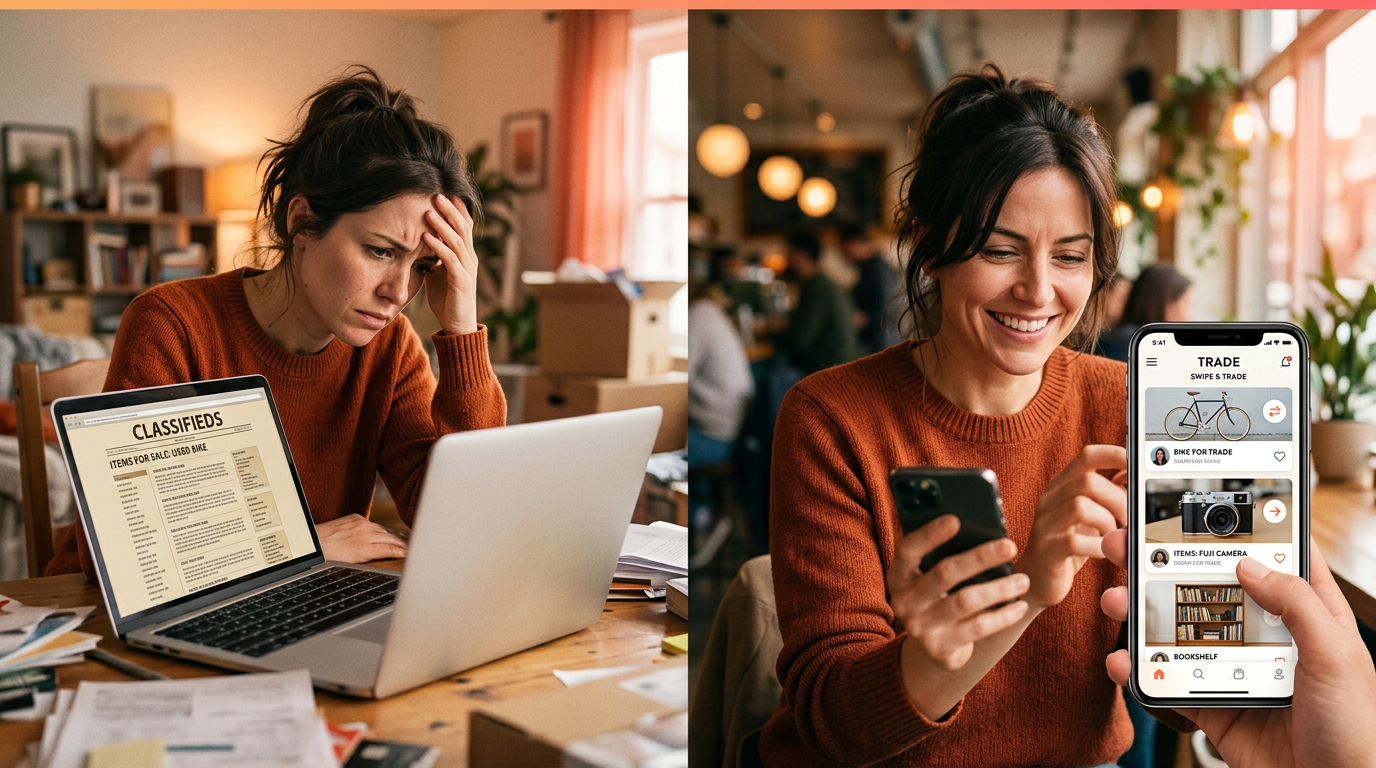
This is where most trade up challenges fail. Kyle MacDonald knocked on doors. Others have tried to make clunky platforms like Craigslist or Facebook Marketplace work. These options are slow, inefficient, and often sketchy.
You need an environment where everyone is there for the same reason: to trade. You need a platform built specifically for the item trading game.
This is why we built Flipuz. It’s a trading arena in your pocket. The swipe-match-swap mechanic turns bartering into a fast-paced, intuitive experience. You’re not shouting into the void of a classifieds site; you’re connecting directly with people who are actively looking to make a deal. It's a gamified marketplace designed for this exact purpose.
Step 4: Master the Art of the Pitch
On Flipuz, your item's profile is your pitch. Don't just post a blurry photo with the title "old lamp." Take great photos. Write a compelling description. Most importantly, tell your story.
- Good Pitch: "Vintage brass lamp. Works perfectly."
- Great Pitch: "This is step #2 of my trade up challenge! I swapped a signed book for this beautiful vintage lamp. It gives off a warm glow and is the perfect accent piece. I'm trading up for a new mountain bike. Help me on my quest!"
See the difference? One is selling an object. The other is inviting someone on an adventure.
Step 5: Trade, Document, Repeat
Once you make a trade, celebrate it! Update your item's story. Share it on social media. The more momentum you build, the more people will want to be a part of your journey. Each trade makes your story more compelling and your next trade easier.
Common Pitfalls in the Trade Up Game (and How to Avoid Them)
Your journey won't always be a smooth upward climb. You'll hit plateaus. You'll get bad offers. Here’s how to navigate the common roadblocks.
Getting Stuck with an "Untradable" Item
It happens. You trade for an obscure piece of art or a specialized tool, and suddenly, the offers dry up. Don't panic.
- Solution 1: Change Your Audience. You might be pitching to the wrong crowd. Research who would actually want your item and find them.
- Solution 2: Trade Down. Sometimes you need to trade your one item for two or three smaller items of equivalent value. This gives you more inventory to work with and new avenues to explore.
- Solution 3: Sweeten the Deal. Bundle your item with something else to create a more attractive package.
Losing Momentum
The trade up game is a marathon, not a sprint. It’s easy to get discouraged when you go a few weeks without a good trade.
- Solution: Stay Engaged. Keep swiping, keep pitching, and keep talking to other traders. Browse the Flipuz app for inspiration. See what others are trading. A single great match can reignite your motivation.
Safety Concerns
Meeting strangers to exchange goods can feel risky. This is a huge advantage of using a dedicated platform over an anonymous forum.
- Solution: Use a Trusted Platform. On Flipuz, profiles and trade histories build trust. We have clear community rules and a strong focus on safety. Always agree to meet in a public, well-lit place. Trust your gut; if a trade feels off, it probably is. Just unmatch and move on. There are plenty of other trades to be made.
Why Flipuz is the Ultimate Trade Up Game App
We didn't just build a bartering app. We built a home for the trade up game.
- No Cash, No Fees, No Fluff: This is pure bartering. We will never charge fees or allow cash to complicate a trade. It keeps the game pure and focused on value-for-value exchange.
- A Gamified Experience: The swipe-right interface is addictive and fun. It makes finding your next trade feel less like a chore and more like a game.
- A Built-in Community: Everyone on Flipuz is there to trade. You don’t have to convince anyone on the concept of bartering. The user base is self-selecting, full of people ready to play the game.
- Track Your Journey: The app automatically logs your completed trades, creating a visual history of your epic journey. Your trade chain is a badge of honor, showing everyone how far you've come.
You have the stuff. You have the ambition. The only thing missing is the right tool. Stop letting your valuable clutter collect dust. It's time to put it to work.
Ready to turn your junk into your jackpot? Stop dreaming and start doing. Download Flipuz and start your trade up game today!
FAQ
Is the trade up game legal?
Absolutely. Bartering is one of the oldest forms of commerce. As long as you legally own the items you're trading, you are free to exchange them. For very high-value items like cars or real estate, you'll need to handle the official title and tax paperwork, but the trade itself is perfectly legal.
What's the best item to start a trade up with?
There's no single "best" item, but a great starting item is something you don't need, has broad appeal, and is easy to handle. Think popular books, small electronics, unique gadgets, or simple tools. The most important thing is to just start.
How long does a trade up challenge take?
It varies wildly. Kyle MacDonald's famous trade from a paperclip to a house took one year and fourteen trades. Others might complete a smaller challenge, like trading up to a new laptop, in a few weeks or months. It depends on your goal, your hustle, and a little bit of luck.
Can you really get a house from a paperclip?
The red paperclip story is a legendary example of what's possible at the absolute extreme. While a house is a monumental goal, trading up to a car, a luxury watch, a down payment, or a dream vacation is a very realistic outcome for a dedicated trader. The game is about seeing how far you can go.
Stop reading. Start trading.
Pick a dream — house, car, Rolex, MacBook. Drop a starter item. Swipe. Flipuz handles the rest.