
 Trading Guides
Gamified Marketplace: Trade Up Your Stuff, Win at Life
Forget 'add to cart.' A gamified marketplace turns bartering into an addictive game. Here's how to play and win big without spending a dime.
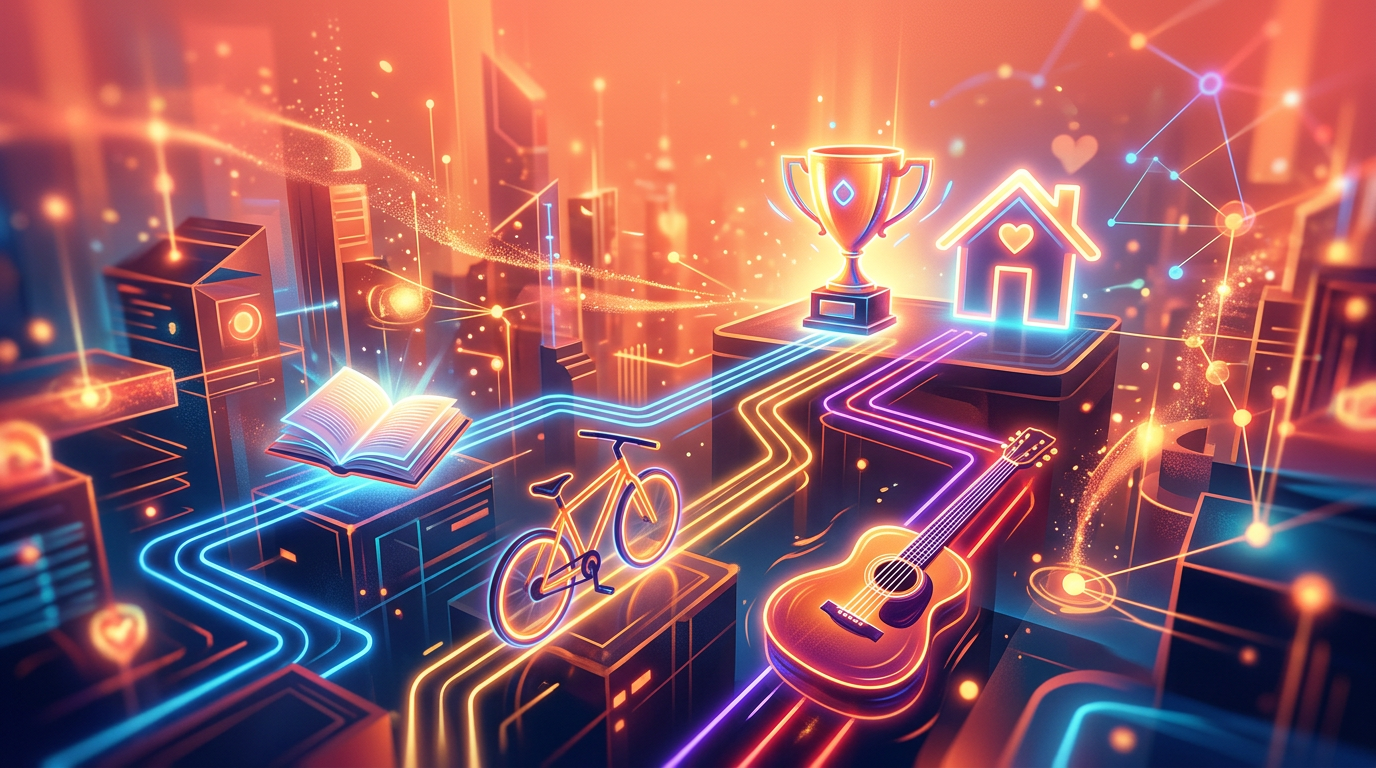
You’re scrolling again. Through endless feeds of stuff you don’t need, sold in sterile online stores that feel more like spreadsheets than marketplaces. Click, add to cart, checkout. It’s a transaction. It’s boring. It costs money.
What if there was a different way? A way to get what you want not by spending, but by trading? Not by transacting, but by playing a game?
Enter the gamified marketplace. This isn’t just a new buzzword; it’s a complete rewiring of how we think about value, ownership, and the thrill of the chase. It’s the spirit of the legendary red paperclip trade bottled into an app on your phone. It’s where your old guitar, that forgotten video game console, or even a humble paperclip becomes a playing piece in a quest for something bigger.
This guide breaks down exactly what a gamified marketplace is, why it’s the most exciting thing happening in digital commerce, and how you can start playing to win. Forget everything you know about online shopping. It's time to play.
Beyond the "Add to Cart": What Defines a Gamified Marketplace?
So, what separates a game from a store? A gamified marketplace isn’t just a list of items for sale. It’s an ecosystem built on engagement, strategy, and a little bit of luck. It combines the best parts of video games, social media, and bartering into one addictive package. At its core, it's a truly interactive shopping experience.
Here are the key elements that make it tick:
Swiping and Matching Mechanics
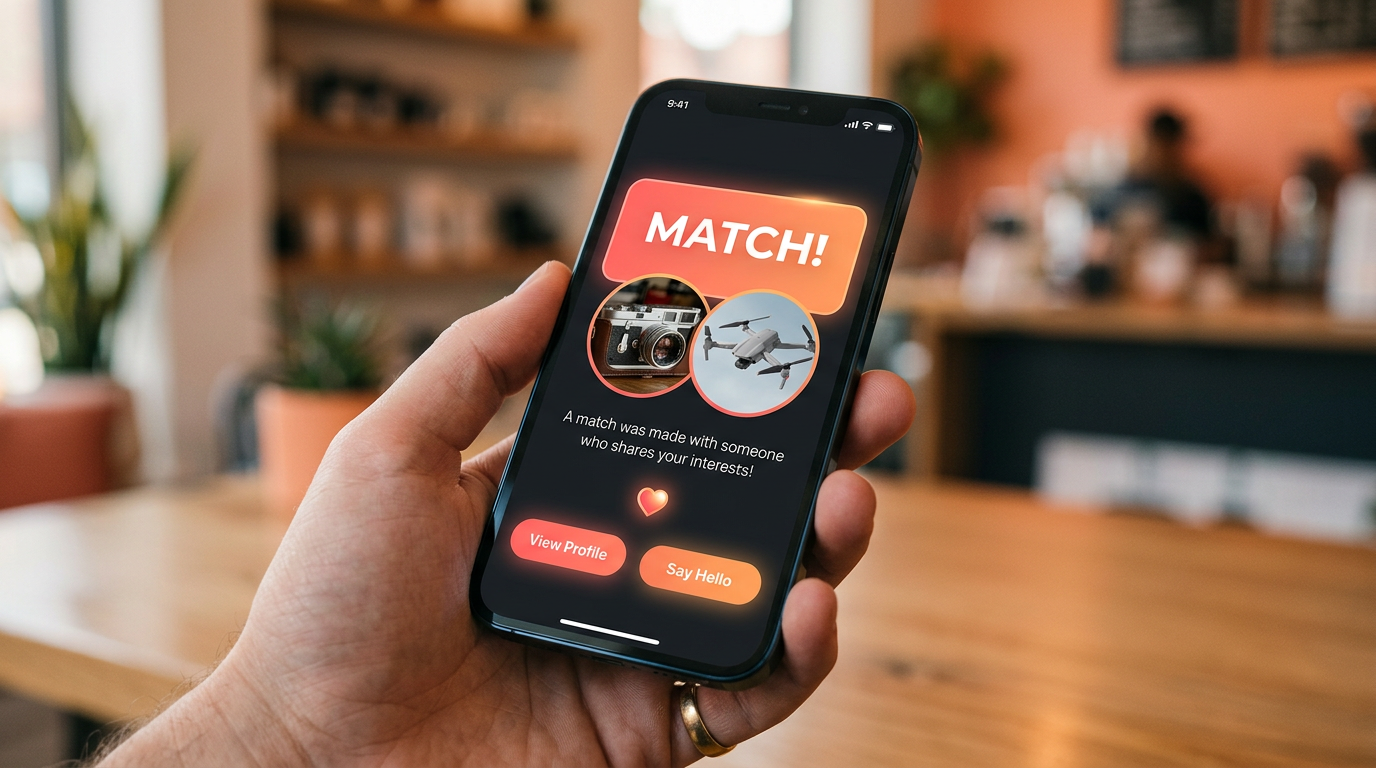
Think about the simple, satisfying action of swiping. Gamified marketplaces like Flipuz borrow this intuitive interface to make browsing items fast and fun. You’re not painstakingly searching through categories. You’re presented with potential trades, one by one. You swipe right on what you want, left on what you don’t. When someone who has an item you want also wants an item you have, you get a “Match.” It’s a moment of instant validation—a small win that keeps you engaged and hunting for the next opportunity.
Points, Streaks, and Leaderboards
You can’t have a game without a way to keep score. Gamified platforms incorporate systems that reward activity. You might earn points for listing new items, completing trades, or logging in daily. These points aren't just for show; they build your reputation and can unlock new features. The most competitive players battle for a top spot on the barter leaderboard, turning the act of trading into a public sport. It taps into our natural desire for competition and recognition. Seeing your name climb the ranks is a powerful motivator.
Quests, Goals, and Challenges
Instead of just browsing aimlessly, a trading game app gives you a mission. This is where the concept truly shines. You can set a public goal—your “Dream” item. Maybe you’re on a quest for a specific car, a down payment for a house, or that vintage Rolex you’ve always wanted. Every trade you make isn’t just an exchange of goods; it’s a step forward in your personal quest. The platform tracks your progress, showing you how far you've come and how close you are to your ultimate prize. This narrative structure transforms a series of small trades into an epic journey.
Community and Social Proof
These platforms are inherently social. You’re not dealing with a faceless corporation; you’re interacting with other people. You check their profiles, see their trade histories, and read their reviews. Successful trades build your reputation, making you a more desirable trading partner. The stories behind the trades become as important as the items themselves. This community aspect builds trust and makes the entire experience more human and engaging. You’re not just acquiring an item; you’re connecting with the person who owned it before you.
The Psychology Behind the Fun: Why We Love the Trading Game
Why is swiping through items so much more compelling than clicking through a catalog? The answer lies in human psychology. A gamified marketplace doesn’t just sell you things; it taps into the primal reward systems that make games so addictive.
You’re not just a consumer here; you’re a player. The platform is your game board, and your items are your pieces. The goal is to outsmart, out-trade, and out-hustle your way to victory. This reframing is powerful. It shifts your mindset from one of passive consumption to active participation. You have agency. You have a strategy. You have a chance to win.
It triggers several key psychological principles:
-
The Dopamine Hit of the “Match”: Every time you get a match notification, your brain releases a small burst of dopamine, the same neurotransmitter associated with reward and pleasure. It’s a powerful feedback loop that makes you want to keep swiping, keep matching, and keep trading.
-
The Endowment Effect: As detailed in the /blog/psychology-of-trading-up, we tend to place a higher value on things we own. A gamified marketplace leverages this perfectly. You see your own items not just as clutter, but as valuable assets that can be traded for something even better. This perceived value makes the trade feel like a smart, strategic move rather than a simple purchase.
-
The Power of Narrative: Humans are wired for stories. The trade up challenge provides a built-in narrative arc. You start with something small, make a series of clever trades, and end up with something incredible. Your trade history becomes a personal success story. You're not just getting a new bike; you're the person who cleverly traded a stack of old books for a guitar, then the guitar for that bike. This story is a trophy in itself.
-
Zero-Cost Thrills: One of the biggest psychological barriers in traditional commerce is the pain of payment. Handing over cash or typing in your credit card number hurts. In a barter game, that pain is removed. You’re acquiring new things without spending a dime. This makes the decision-making process faster, less stressful, and far more enjoyable. It’s all upside.
Real-World Examples: From Paperclips to Porsches
The concept of trading up is not new. It's an age-old practice, but the gamified marketplace has supercharged it for the digital era. The most famous example, of course, is the one that started it all.
In 2005, a Canadian blogger named Kyle MacDonald looked at a single red paperclip on his desk and decided to play a game. His goal? To trade it up until he owned a house. He posted the paperclip on Craigslist and, 14 trades later, he was handed the keys to a two-story farmhouse in Kipling, Saskatchewan. He traded the paperclip for a fish-shaped pen, the pen for a doorknob, the doorknob for a camping stove, and so on, leveraging storytelling and human connection every step of the way. He created his own offline gamified experience.
What Kyle did manually, with grit and a good story, modern platforms like Flipuz now automate and scale for everyone. Flipuz is the ultimate digital bartering platform, taking the core principles of the red paperclip challenge and turning them into a sleek, accessible, and powerful tool.
On Flipuz, you don't need to build your own website or cold-call potential traders. You simply:
- List Your Item: Snap a few photos of that thing gathering dust in your closet.
- Set Your Dream: Declare your goal. A new laptop? A trip to Japan? A car?
- Start Swiping: The app's algorithm shows you relevant items from other users on their own trade-up journeys.
- Match and Chat: When a mutual interest is found, you chat directly to negotiate the swap.
This isn't a fantasy. This is how ordinary people are achieving extraordinary goals. Users are actively chasing dreams big and small, turning unwanted electronics into high-end fashion, old furniture into weekend getaways, and starter items into dream vehicles. The platform provides the structure; your ambition drives the game.
How to Win at the Gamified Marketplace: Your Strategy Guide
Ready to stop being a consumer and start being a player? A gamified marketplace is a game of skill, patience, and strategy. You can't just show up and expect to win the grand prize on day one. But with the right approach, you can absolutely dominate the trading floor.
Here’s your playbook for success:
-
Start with What You Have: You don't need a treasure chest to begin. The entire point is to start small. Look around your home. That book you've already read, the kitchen gadget you never use, the gift you never returned—that’s your starting inventory. The perfect first item is something you don't mind parting with but someone else might find useful. For more ideas, check out our guide on the /blog/best-starter-items-trade-up.
-
Master the Art of the Listing: Your item's listing is your opening move. Don't be lazy. Clean the item. Take clear, well-lit photos from multiple angles. Write a compelling description. Don't just list what it is; tell a story. Why is it great? What can the new owner do with it? A great listing can make a common item feel like a must-have treasure.
-
Understand Subjective Value: The secret to winning at trading is understanding that value is not fixed. The price tag in a store is irrelevant here. What matters is perceived value. Your old snowboard might be worthless to you in Florida, but it's highly valuable to someone in Colorado. Your collection of vintage comics might be clutter to you, but it's a holy grail for a dedicated collector. Look for these mismatches in value. Your goal is to trade something of low value to you for something of high value to you.
-
Be Patient and Persistent: You will swipe left a lot. Not every match will lead to a conversation. Not every conversation will lead to a trade. This is not a failure; it’s part of the game. The players who succeed are the ones who stay active, keep their listings fresh, and don't get discouraged. Persistence is the ultimate cheat code.
-
Know When to Trade Sideways: Not every trade has to be a massive leap in monetary value. Sometimes, the right move is a “sideways” trade for an item that is easier to trade, has a broader appeal, or is more photogenic. Trading your obscure electronic component for a popular brand-name sneaker might not feel like a huge win, but the sneaker is a much better trading piece for your next move.
The game is waiting. The playing field is level, and the rules are simple. All it takes is one item and the ambition to start. Are you ready to play?
Start your trade-up journey on Flipuz now.
The Future is a Game: Why Gamification is Here to Stay
This is bigger than just a fun way to get new stuff. The rise of the gamified marketplace signals a fundamental shift in our relationship with consumerism. For decades, the model has been linear: produce, consume, discard. It's wasteful, impersonal, and unsustainable.
Gamified trading introduces a circular model. Items don't die; they get a new life. Your old bike becomes someone else's new transportation. Their old laptop becomes your new workstation. This circular economy reduces waste, saves resources, and builds a more sustainable culture of ownership.
Furthermore, it reintroduces a human element into commerce. You're not just numbers in a database. You are players in a shared world, connected by the items you trade and the stories you create. It fosters negotiation, communication, and community in a way that clicking “buy now” never could.
Look around at other industries—from fitness apps that turn jogging into a zombie chase to language apps that use points and streaks to teach you French. Gamification works because it aligns with our innate human desires for progress, achievement, and play.
Commerce is the next frontier. The sterile, transactional model of e-commerce is starting to feel dated. The future belongs to platforms that are engaging, social, and rewarding. The future is a game. The only question is whether you’ll be on the sidelines watching or in the arena playing.
FAQ
What is a gamified marketplace?
A gamified marketplace is an online platform where users trade items with each other using game-like mechanics. Instead of just buying and selling, you use features like swiping, matching, points, leaderboards, and goal-setting to trade your way to items you want, turning the experience into a strategic and engaging game.
Is it just for big-ticket items like houses?
Not at all. While audacious goals like trading up to a house are the ultimate expression of the concept, the vast majority of trades are for everyday items. People trade video games for sneakers, kitchen appliances for tools, and furniture for electronics. The journey is the game, and every successful trade is a win, no matter the size.
How do I start trading if I have nothing valuable?
You start with what you have. The entire principle, famously demonstrated by the red paperclip trade, is that you can start with something incredibly small and common. Find an item you no longer need—a book, a decorative item, a piece of clothing—and list it. The key is to find someone for whom that item has more value than it has for you.
Are these trading game apps safe?
Legitimate platforms prioritize user safety. On Flipuz, for example, we have a robust rating system, user profiles with trade histories, and in-app messaging to keep communication secure. We encourage all users to follow common-sense safety guidelines, such as meeting in public places for local swaps. Your security is paramount, and you can read more about our policies on our safety page.
Can you really get something for nothing?
It’s not about getting something for “nothing.” It’s about an exchange of value. The item you are trading away has value, just perhaps not to you anymore. The person you are trading with feels the exact same way about their item. A successful trade is a win-win where both parties feel they received something of greater personal value than what they gave away, all without any cash changing hands.
Stop reading. Start trading.
Pick a dream — house, car, Rolex, MacBook. Drop a starter item. Swipe. Flipuz handles the rest.