
 Trading Tips
The $100 Trade Up Challenge: Your Ultimate Guide
Forget the paperclip. The $100 trade up challenge is your strategic path to trading for big-ticket items. Here's your complete guide to starting, strategizing, and succeeding.
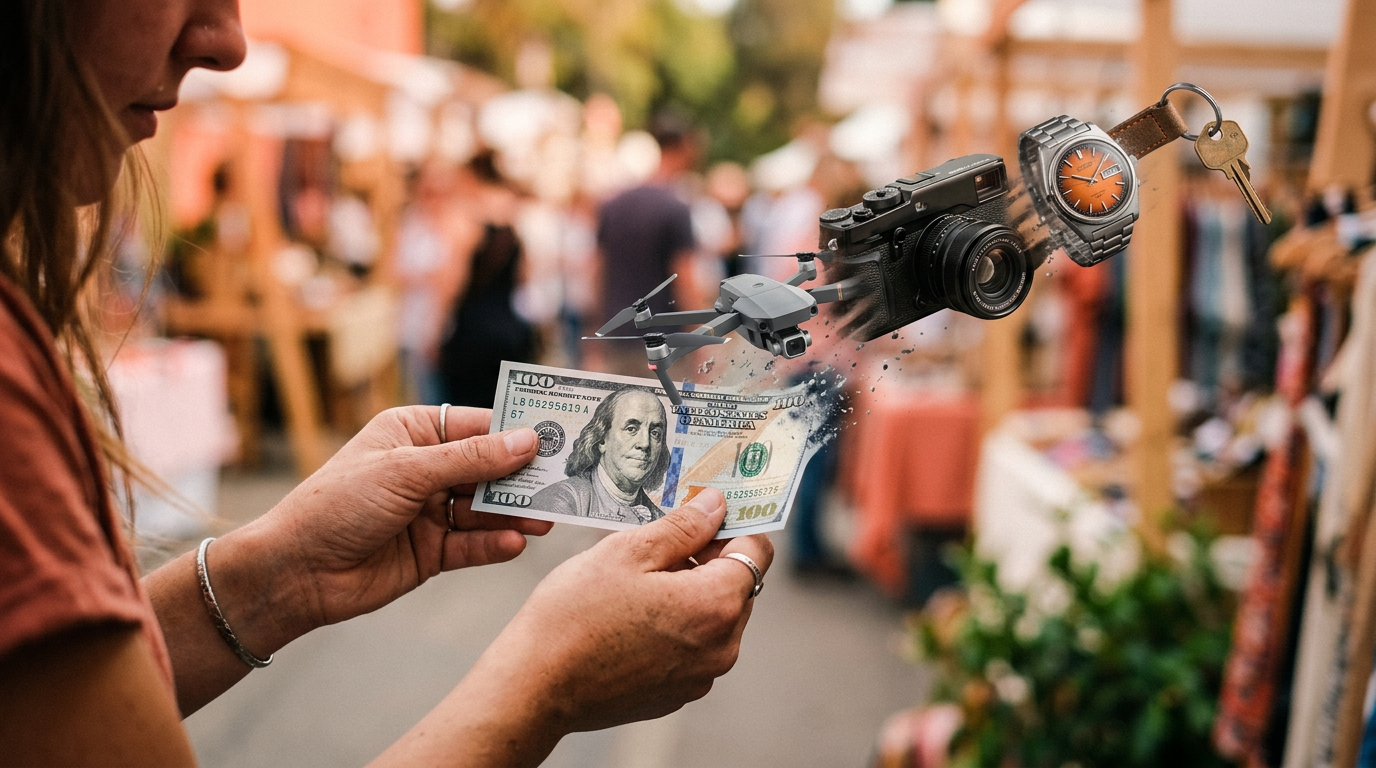
You think you need a pile of cash to get what you really want? A dream car, a down payment, that grail watch?
Think again.
You’ve probably heard the story of the guy who traded one red paperclip all the way up to a house. It's a great story. A modern legend. But it’s also slow, grueling, and relies on a ton of luck. What if there was a better way to start? A more strategic entry point that puts you ten steps ahead from the get-go?
Welcome to the $100 trade up challenge. This is the red paperclip story for the ambitious. It’s not just about bartering; it’s a high-stakes game of value, psychology, and momentum. And this is your official rulebook.
What is the $100 Trade Up Challenge, Really?
Let’s get one thing straight. This isn't about taking a $100 bill and trying to trade it for a $105 bill. This isn't day trading. The $100 trade up challenge is an item-based journey. You start with a single physical item worth approximately $100, and your mission is to trade it for something of slightly higher value. Then you trade that new item for something of even higher value. You repeat this process, climbing the value ladder, until you reach your ultimate goal.
It’s a marathon, not a sprint. Each trade is a strategic move. Your $100 item could become a $150 item, which becomes a $250 item, which becomes a $500 item, and so on. The math isn’t always clean, because value is subjective. Your dusty guitar in the corner might be worthless to you, but to a budding musician, it’s a key to their dream. That's the magic you'll be tapping into.
This challenge forces you to see the world differently. You stop seeing price tags and start seeing potential. Every object has a story and a value that fluctuates depending on who’s looking. Your job is to be the master matchmaker, connecting your item with the person who values it most.
Why Start with $100? The Unfair Advantage.
Starting with a single red paperclip is romantic. It’s the ultimate underdog story. But let’s be honest: it’s brutally difficult. The first few trades—from a paperclip to a pen to a doorknob—are a painful grind. You’re dealing with items of such low value that finding a willing trade partner is a monumental task.
Starting with a $100 item is strategic. It’s an intentional move that gives you immediate leverage.
Here’s why it’s the smarter play:
- You Skip the Grind: You bypass the first 5-10 excruciatingly slow trades. Instead of trying to convince someone your novelty pen is cool, you’re holding an item with real, tangible value.
- Wider Pool of Traders: More people are interested in trading for a $100 item (like a video game console or designer sunglasses) than for a fish-shaped pen. You have a larger audience from day one.
- Bigger Value Jumps: Trading a $5 item for a $10 item is a 100% gain, but it’s still just $5. Trading a $100 item for a $150 item is a 50% gain, but it’s a $50 jump in real value. These bigger leaps build momentum faster.
The original red paperclip trade is an amazing piece of internet history, but the game has evolved. Think of the $100 start as learning from the past to build a faster, more efficient trading engine.
Your Step-by-Step Blueprint for Trading Up
You’re ready to go. You have the mindset. Now you need the plan. Don't just jump in blindly. Follow this blueprint to maximize your chances of success in your item trading challenge.
Step 1: Nail Your Starter Item
This is the most critical decision you'll make. Don't just find any old thing worth $100. Your starter item needs to have a few key characteristics: high demand, easy to ship or transport, and broad appeal. It needs to be something people want.
Good examples include:
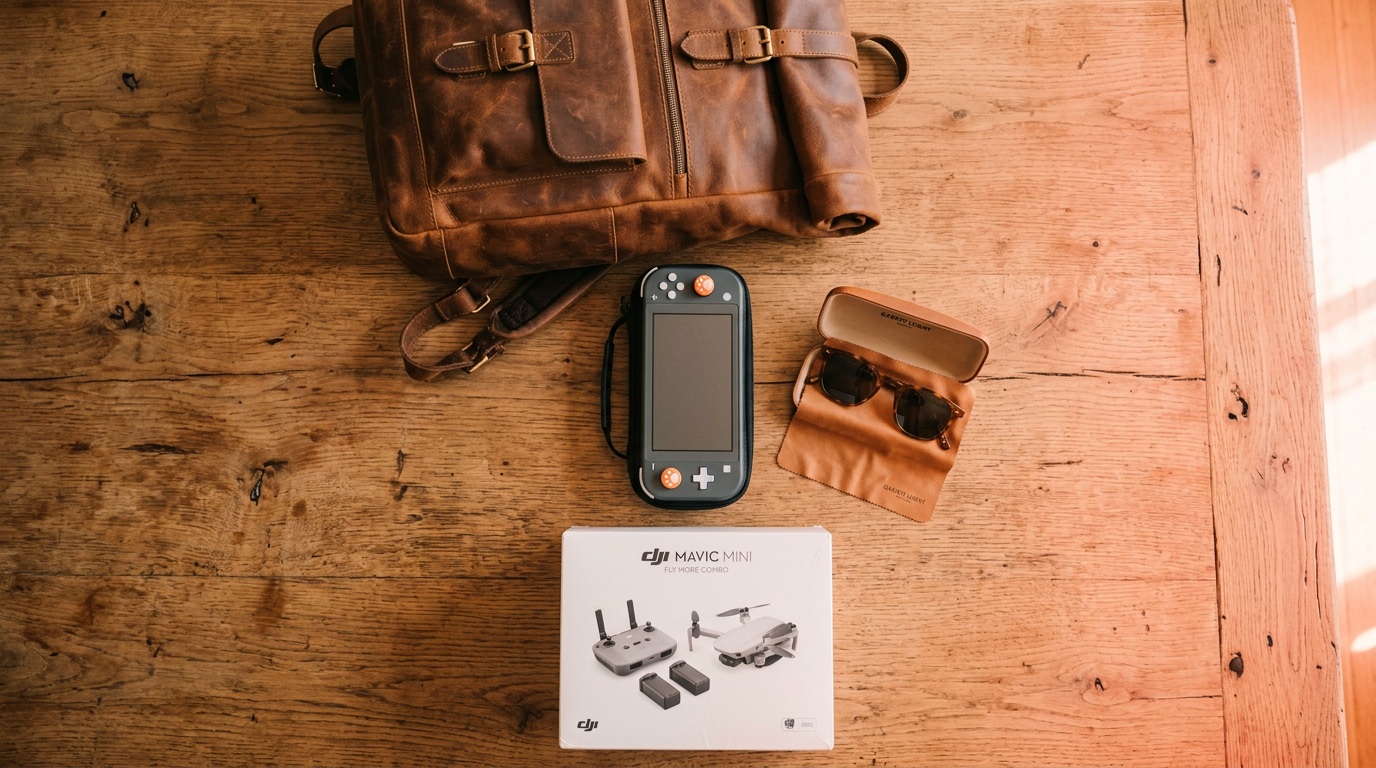
- A popular tech gadget (Nintendo Switch Lite, AirPods, a good quality drone).
- Sought-after apparel (limited-edition sneakers, a new designer handbag, a vintage leather jacket).
- Hobbyist gear (a nice bicycle, a quality guitar, high-end camping equipment).
Avoid bulky furniture, obscure collectibles, or items that are hard to prove the value of. For more ideas, check out our full guide on the best starter items for a trade-up.
Step 2: Find Your Counterparty
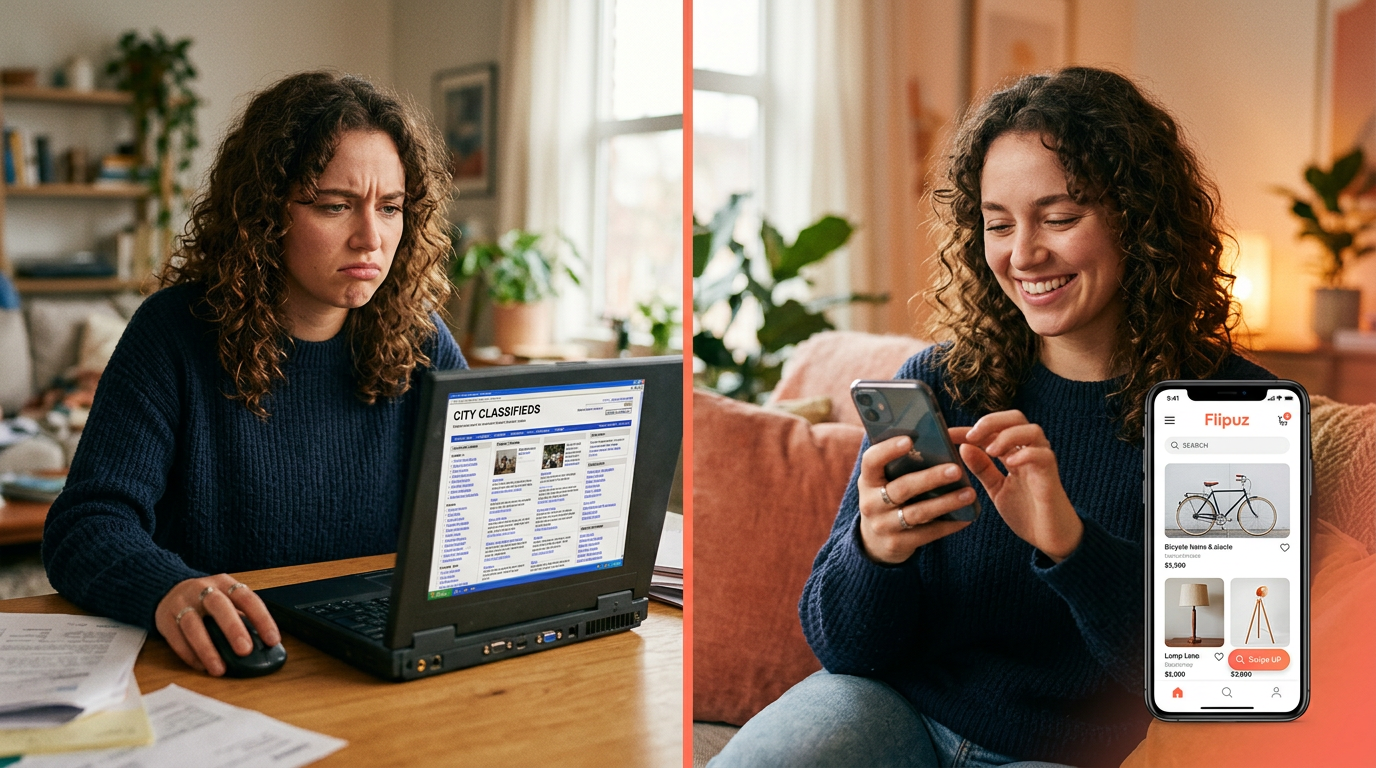
So you’ve got your item. Now what? You could post on dusty old forums or swim through the chaos of Craigslist. Or you could use a tool built for exactly this purpose.
This is where Flipuz comes in. Our entire app is a gamified marketplace designed to connect traders like you. You list your item, and our swipe-to-match system puts it in front of people who are actively looking to trade. No more shouting into the void. You connect with people who are already playing the game. This is the single fastest way to find your first trade, and every trade after that.
Step 3: Master the Art of the Ask
Negotiation isn't about being aggressive. It's about storytelling and finding a win-win. When you connect with a potential trader, don't just state what you have. Understand what they are looking for. Why do they want your item? What problem does it solve for them?
Frame your item’s value in their terms. “You mentioned you’re starting a new hobby; this drone is perfect for beginners and has amazing camera quality.”
Remember, you're not just trading an object; you're trading a solution. Be confident, be fair, and be clear about what you’re looking for in return. A successful trade leaves both parties feeling like they won.
Step 4: Document Everything
Your journey is your best marketing tool. Create a unique hashtag on social media and document every single trade. Post a picture of the item you started with and the item you traded it for. Tell the story.
This does two things. First, it keeps you motivated. Seeing your progress visually is a powerful psychological boost. Second, it builds an audience. People will start following your $100 trade up challenge, rooting for you. Future trading partners might even find you through your story, making it easier to find your next match. Your Flipuz profile is the perfect place to build this trading history.
Step 5: Level Up and Repeat
Congratulations, you made your first trade! Your $100 drone is now a $150 camera. Don't get comfortable. The goal is always the next step. Immediately list your new item and start hunting for the next trade.
Momentum is everything. The faster you can chain trades together, the more exciting the journey becomes and the quicker you'll get to your ultimate goal, whether that’s a car, a Rolex, or even a house.
Avoiding the Traps of an Item Trading Challenge
This path is full of potential pitfalls that can stop your journey cold. Here’s what to watch out for and how to dodge them.
- The "Dead End" Item: You traded for something that seems valuable but has zero demand. It's a boat anchor. How to avoid: Before you finalize a trade, do a quick search. Is this item easy to sell? Are other people looking for it? Always prioritize liquidity. An item that’s slightly less valuable but highly desirable is better than a high-value item nobody wants.
- Emotional Attachment: You make a great trade for a vintage synthesizer and suddenly you’re attached. You start playing it. You give it a name. Bad move. How to avoid: Stay detached. Remind yourself that every item is just a vehicle to the next, better item. This is a business, not a collection. The goal is the final prize, not the pit stops along the way.
- Ignoring Safety: You’re meeting strangers to exchange goods. You have to be smart and prioritize your well-being. How to avoid: Never trade at your home. Always meet in a public, well-lit place like a police station's designated safe trade zone, a bank lobby, or a busy coffee shop. Tell a friend where you’re going. Read our full guide on trader safety before you make your first move.
Flipuz: The Cheat Code for Your Trade Up Challenge
Trying to complete a $100 trade up challenge using old-school methods is like trying to build a skyscraper with a hammer and a nail. It’s possible, but it’s unnecessarily difficult.
You need a modern toolset. You need an edge. You need Flipuz.
We built this app because we knew there was a better way to trade. Forget endless, frustrating email chains and scrolling through spammy classifieds. Flipuz is different by design:
- Swipe. Match. Trade. Our interface is intuitive and fun. You see an item you like, you swipe right. If they like your item too, it’s a match. It’s that simple.
- A Dedicated Community. Everyone on Flipuz is there to trade. You’re instantly connected to a motivated community, saving you hours of searching.
- Zero Fees. We don't take a cut. We don’t have listing fees. The value you create is 100% yours to keep. This is crucial for maximizing your gains on every single trade.
Stop watching other people's success stories and start writing your own. The path from a $100 item to your ultimate dream is real, but it requires action. The strategy is here. The tool is ready.
Your trade up journey starts with a single swipe. Download Flipuz and start your challenge today.
FAQ
How long does a $100 trade up challenge take?
There's no set timeline. It depends on your strategy, the desirability of your items, and how actively you pursue trades. Some people might make a few trades a month, while a highly motivated person using a tool like Flipuz could potentially make multiple trades a week. The journey could take a few months or a few years, depending on your end goal.
What are the best items to start a trade up challenge with?
The best starter items are typically in high demand, easy to transport, and have a clear, understandable value around $100. Think popular electronics like AirPods or a Nintendo Switch Lite, in-demand apparel like brand-name sneakers, or hobbyist gear like a good quality skateboard or bicycle.
Is it really possible to trade up to a house from $100?
While it’s an incredibly ambitious goal, it’s not impossible. The famous red paperclip trade proved it can be done from an even lower starting point. A $100 start gives you a significant advantage. It requires immense dedication, smart trading, and a bit of luck, but the principle of compounding value makes it theoretically achievable.
How do I know if a trade is fair?
A fair trade is one where both parties feel they've received value. Before accepting a trade, do your research. Quickly search online marketplaces to check the going rate for the item you’re being offered. But remember, value is subjective. If someone needs your item urgently or it completes a collection for them, they may be willing to trade something of higher market value. The ultimate test is if the trade moves you closer to your goal.
Stop reading. Start trading.
Pick a dream — house, car, Rolex, MacBook. Drop a starter item. Swipe. Flipuz handles the rest.