
 Strategy
The Best Starter Items to Trade Up From (Yes, Even a Paperclip Works)
Your first trade is the most important one. We crunched real Flipuz data and the original red paperclip trade chain to figure out what makes a great opening move.
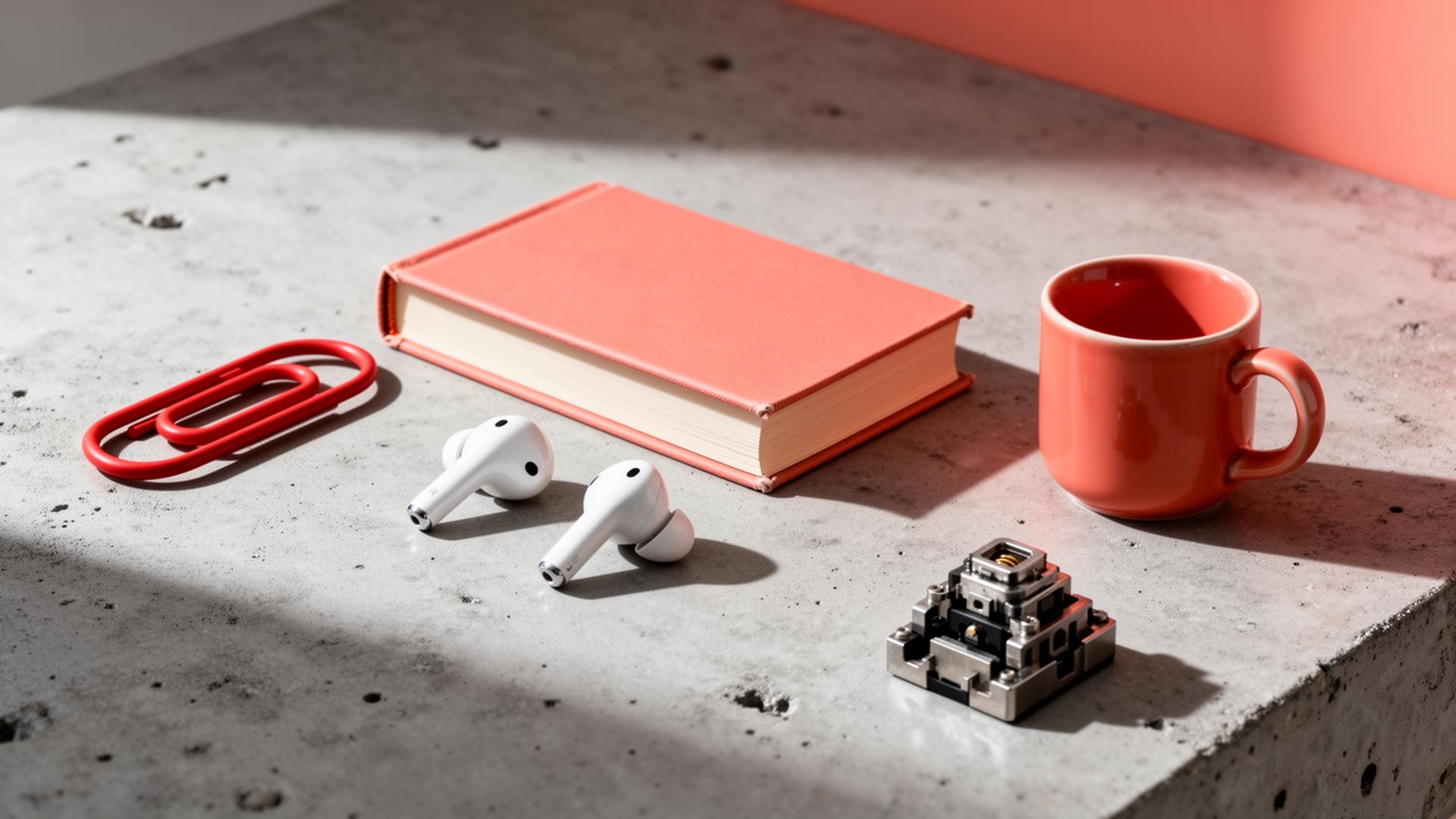
The most important trade in any trade-up chain is trade #1. Pick the wrong starter item and you'll stall before momentum kicks in. Pick the right one and the next four swaps line up almost on their own. After watching thousands of chains — plus the original red paperclip trade itself — we've narrowed down what actually makes a great opening move in 2026.
The three properties of a great starter item
Every reliable starter item shares three traits. Memorize these and you can identify a good "paperclip" in your house in under sixty seconds.
- Low emotional cost. If you'd be sad to see it go, it's not a starter. The whole point is to make the first trade easy psychologically so you stop overthinking it.
- High audience size. Boring beats expensive. A $5 USB-C cable wanted by 500,000 people in your state will generate matches faster than a $300 niche power tool.
- Visually clean. Bartering is 90% trust signaling and trust signaling is 90% photography. Items that photograph well against a plain background outperform messier items at the same value.
The 12 best starter items in 2026 (ranked)
- Apple charging cables and AirPod cases. The single most liquid starter category on Flipuz. Lightning, USB-C, MagSafe, AirPod Pro cases with no buds — all of them get matches within hours.
- Unworn fast-fashion hoodies and tees. Plain colorways outperform graphics. The audience is enormous and the buyer pool skews young and active.
- Brand-new sealed cosmetics from a gift basket. High perceived value, zero emotional cost, photographs cleanly.
- Concert merch from a tour you attended. Niche audiences pay disproportionately for the right band's right poster.
- A board game with one missing piece. Sounds counterintuitive — but the collectors hunting for the missing piece are real and they swap fast.
- Vintage paperbacks. 1960s–70s sci-fi, 80s fantasy, anything with original cover art. Cheap, light, photo- friendly.
- Pokémon, Magic, or YuGiOh commons in bulk. Worthless individually, surprisingly tradable in stacks of 50+.
- A used skateboard deck. The starter for our fastest documented chain on the platform (Phoenix → PS5 Pro in four trades).
- An old Bluetooth speaker that still works. Wide audience, easy demo video.
- A camera lens cap from a discontinued mount. Niche, weirdly liquid because it's the kind of thing nobody "lists" but everyone needs.
- An unopened video game. Even one from two years ago. Swap velocity is high.
- A literal red paperclip. Yes, it still works. It works because the story works. People want to be part of the chain.
Got your starter?
List it in 90 seconds and start the chain.
Take three photos, write one sentence, set your dream item. Flipuz handles the matchmaking from there.
List my starterItems that look like good starters but aren't
A few categories punch below their weight as openers. Avoid these for trade #1 — you can pick them up later in the chain when your audience can absorb them.
- Power tools. Audience too narrow, photography too messy, weight too high.
- Furniture. Logistics kill the momentum. Save this for trade #6+ when you have a track record.
- Clothing in obscure sizes. A 3XL custom-print tee will sit in your inventory for weeks. Stick to common sizes or skip clothing entirely as a starter.
- Anything that requires a manual to operate. Telescope, drone, sewing machine. Counterparties stall on the "but does it work?" question.
- Cash equivalents. Gift cards, store credit, crypto. They feel like progress but pull you out of the swap economy.
What Kyle's starter actually had in common with the modern winners
A red paperclip is the platonic ideal of a starter item: zero dollars, zero emotion, infinite audience, photographs cleanly, carries a built-in story. Every great Flipuz starter shares at least three of those five properties. If you can find an item in your house that shares four, you're starting from a stronger position than Kyle did.
How to choose your starter in under five minutes
- Open your junk drawer. Lay out the contents.
- Remove anything you'd be sad to lose. (Down to candidates only.)
- Remove anything that wouldn't photograph well on a clean countertop.
- From what's left, pick the item with the largest possible audience. (Cable > gadget. Plain > graphic.)
- Photograph it. Three angles, natural light. Post it. Done.
Frequently asked questions
Does the dollar value of my starter matter?
Almost not at all for the first trade. It only starts to matter around trade #4. Audience size matters dramatically more than dollar value at the start of a chain.
Should I buy something on purpose to use as my starter?
You don't have to. The whole spirit of the trade-up game is that your starter cost you nothing. But if you must buy one, a $5 USB-C cable from a hardware store is the most efficient purchase you'll ever make.
Can I start with a service instead of an item?
Yes — design hours, lawn mowing, photography sessions. Services are slower to match but tend to attract higher-value swaps once they do. Treat it as advanced mode.
Continue your trade-up education
Hand-picked next reads from the Flipuz blog.
- One Red Paperclip Traded for a House: The Full Story (And How to Do It Yourself) — Kyle MacDonald posted a single red paperclip online in 2005. One year and 14 trades later, he owned a house. Here's every swap, what made it work, and how to run the same play today.
- How to Trade a Paperclip for a House in 2026 (Step-by-Step Playbook) — Kyle did it on a blog over a year. You have an app and a thumb. Here's the 2026 playbook for trading up from a paperclip to a house, broken down into seven repeatable steps.
- 10 Real Stories of People Who Traded Up — From Paperclips to Cars, Rolexes & Houses — The red paperclip trade isn't a one-off. We've lined up ten of the wildest documented trade-up chains in history — and a few from inside Flipuz this month.
- Bartering 101: A Beginner's Guide to Trading Without Money in 2026 — No money, no fees, no checkout — just two people swapping things they value. Here's how modern bartering actually works in 2026, and why it's quietly outpacing classifieds.
- Why Trading Beats Buying: The Psychology Behind the Trade-Up Game — The reason millions of people remember the guy who traded a paperclip for a house isn't the house. It's the chain. Here's the psychology of why trading up is wildly more satisfying than buying.
Stop reading. Start trading.
Pick a dream — house, car, Rolex, MacBook. Drop a starter item. Swipe. Flipuz handles the rest.