
 Trading Guides
The Ultimate Item Trading App Guide for 2024
Discover how to use a modern item trading app to turn your unwanted stuff into valuable assets. This guide covers the strategy, psychology, and steps to start your own trade-up challenge.
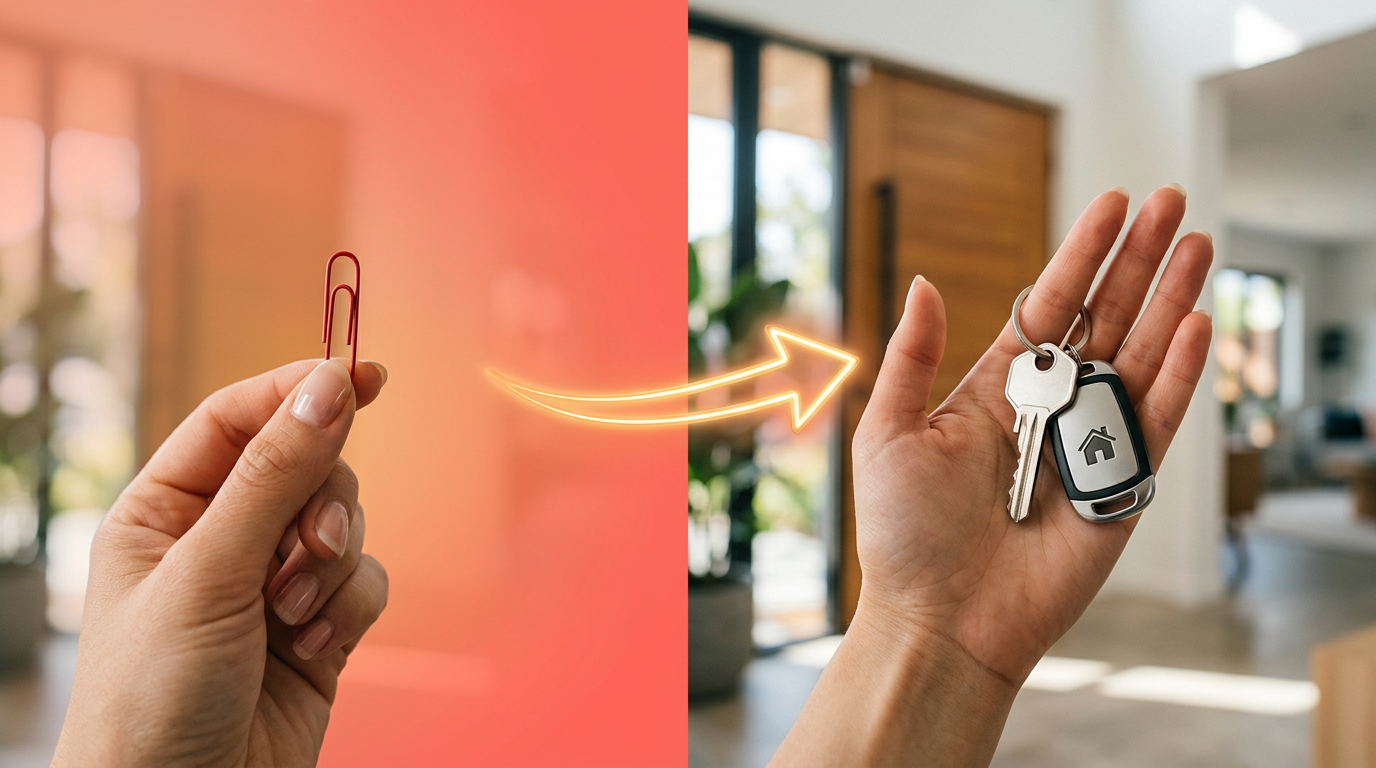
You’ve got a garage full of “I’ll use this someday” and a closet packed with “what was I thinking?” That stuff isn’t junk. It’s currency. It’s the first step in a chain reaction that could land you a car, a Rolex, or even a house, all without spending a dime.
Sounds impossible? In 2006, a guy named Kyle MacDonald proved it wasn’t. He started with one red paperclip and, through a series of fourteen trades, ended up with a two-story farmhouse. He didn't use money. He used ingenuity, hustle, and the fundamental principle that value is subjective. What’s a simple pen to you might be the perfect matching piece for a collector willing to trade something better.
Today, you don't need to knock on doors or post ads on Craigslist to chase that same dream. The entire process has been streamlined, gamified, and put right in your pocket. The modern secret weapon? A top-tier item trading app.
This isn't just another article about decluttering. This is your comprehensive guide to understanding and mastering the art of the online swap. We’ll show you how to turn your clutter into capital and start your own legendary trade-up journey.
What Exactly Is an Item Trading App?
Let's get straight to it. An item trading app is a digital platform where the primary currency is… well, other items. Unlike eBay or Facebook Marketplace where the goal is almost always a cash transaction, a trading app is built for the pure, old-school art of bartering.
You list what you have. You browse what others have. You propose a swap. It’s that simple.
Think of it as a massive, city-wide flea market you can browse from your couch. But instead of haggling over a few bucks, you’re negotiating a direct trade: your vintage video game console for their concert-quality ukulele. Your designer handbag for their brand-new drone. No cash changes hands. It's a clean, direct value exchange.
These platforms have evolved. Some are general-purpose, letting you trade stuff online of any kind. Others are niche, focusing on specific categories like fashion, books, or collectibles. But the most exciting evolution is the app built specifically for the trade-up challenge. This is where a simple barter app becomes a game. It's not just about getting something different; it's about getting something better.
This is the core philosophy behind Flipuz. We didn't just build a place to swap items app-style. We built an engine for ambition. We took the spirit of the red paperclip trade and supercharged it with modern technology, a gamified interface, and a community of traders all chasing their own epic goals.
The Psychology of the Swap: Why We're Wired to Trade
Why does trading feel so good? It taps into something primal. Long before we had currency, we had barter. The satisfaction of a good trade is coded into our DNA. It’s more than just acquiring a new object; it’s the thrill of a successful negotiation, the validation of your item’s worth, and the story you get to tell afterward.
Modern psychology gives us some clues. There's the “endowment effect,” where we tend to overvalue things we own. An item trading app forces you to confront this bias. To make a successful trade, you have to see your item through someone else's eyes. Your old, dusty telescope isn't just an unused hobby; it's someone else's gateway to the stars. That perspective shift is powerful.
Then there’s the dopamine hit. Swiping through potential trades, getting a match, and closing a deal—each step is a small victory. It’s a rewarding feedback loop that keeps you engaged and motivated. This isn't a boring chore; it’s a strategic game where you are the main character.
This process of re-evaluating value is central to the trade-up. You're constantly looking for “value gaps”—situations where someone undervalues what they have, or desperately wants what you have. Mastering this is key to making the small, incremental gains that lead to massive wins. It's a fascinating dance of perception and desire, which we explore deeper in our article on the psychology of trading up.
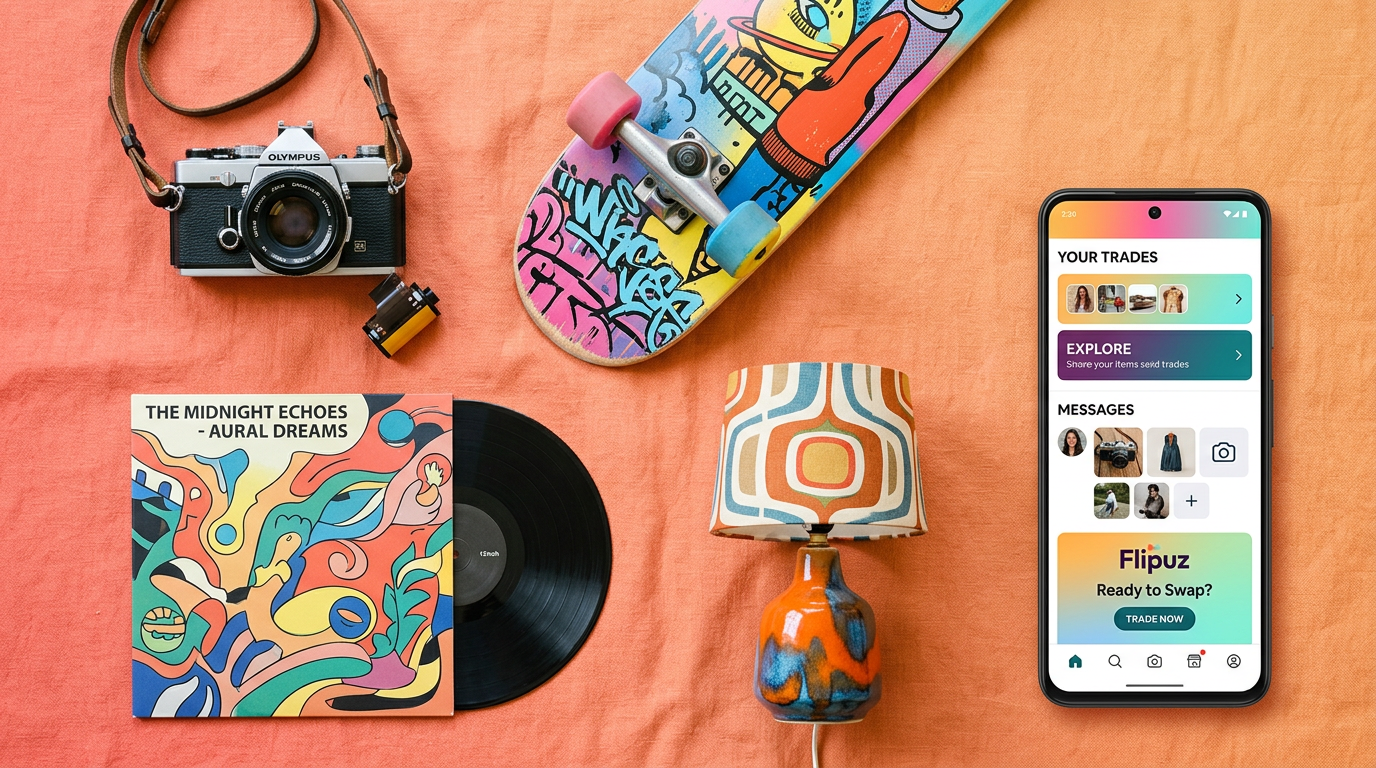
From Paperclip to House: The Trade-Up Strategy Explained
So, how do you actually go from a paperclip to a house? It’s not magic. It's a strategy. It's a marathon of smart, small steps, not a single lucky sprint. The entire journey is built on one core principle: make trades where you gain a small amount of perceived value each time.
Here’s the blueprint, adapted for the digital age:
Step 1: Choose Your Starter Item This is your “one red paperclip.” It doesn’t have to be a paperclip, but it should follow the same rules. It needs to be small, cheap (or free), and interesting. Think a unique keychain, a well-cared-for paperback, a funky coffee mug, or a small collectible. The goal isn’t value; it’s to get the ball rolling. Need ideas? Check our guide on the best starter items for a trade-up.
Step 2: The Volume Approach Your first few trades are a numbers game. You need to make a lot of offers. On a modern item trading app like Flipuz, this is easy. You can swipe through hundreds of items in minutes. Don't get discouraged by rejections. You only need one “yes” to move to the next level. You’re trading your paperclip for a pen, then the pen for a doorknob, and so on. Each step is a minor upgrade.
Step 3: Identify and Exploit Value Gaps As your items become more valuable, you can be more strategic. Look for people who need what you have right now. Someone moving into a new apartment might trade a valuable electronic for your set of lamps because they need light tonight. A musician about to play a gig might trade their expensive camera for your guitar because their main one just broke. You're not just trading items; you're trading solutions to problems. This is the essence of smart online bartering.
Step 4: The Strategic Pivot You might trade your way up to a valuable bicycle. But what if the market for trading bicycles is slow? This is where you pivot. Trade the bicycle for something of equal or slightly lesser value in a completely different category, like a high-end laptop or a piece of art. This opens up an entirely new pool of potential traders and opportunities. Don't get stuck in one category.
This entire process is a trade-up challenge. It’s about patience, persistence, and a keen eye for opportunity. The original paperclip trade took a year. With the speed and reach of a dedicated app, you can accelerate that timeline significantly.
Choosing the Best Item Trading App for Your Goals
Not all trading platforms are built the same. If you’re serious about the trade-up challenge, you need an app designed for it. Here’s what to look for:
- Active User Base: An app is useless without people to trade with. You need a large, active, and engaged community to ensure there are always fresh items and willing traders.
- Intuitive Interface: If listing an item and making offers feels like doing taxes, you’ll quit. You want a clean, fast, and fun interface. The swipe-to-match mechanic, pioneered by dating apps, is perfect for trading. It’s low-pressure and turns browsing into a game.
- Zero Fees: You’re trying to build value out of nothing. The last thing you need is an app nibbling away at your progress with listing fees or final value commissions. Look for a free trading app. Flipuz is fundamentally free to trade—no listing fees, no transaction fees. Ever.
- Safety and Trust: You’re meeting strangers and swapping goods. The app must have robust safety features. This includes user verification, public reviews and ratings, and secure in-app messaging so you don't have to give out your phone number. Your safety is paramount.
- Goal-Oriented Features: A generic swap items app is fine for casual trades. But for a true trade-up, you need more. Flipuz is a gamified marketplace built around your ambitions. You set a Dream Goal—like a car or a Rolex—and the app helps you track your progress. The public leaderboard adds a competitive edge, letting you see how you stack up against other top traders.
In short, you don't just want a tool. You want a launchpad. You want an app that understands the why behind your trade, not just the what.
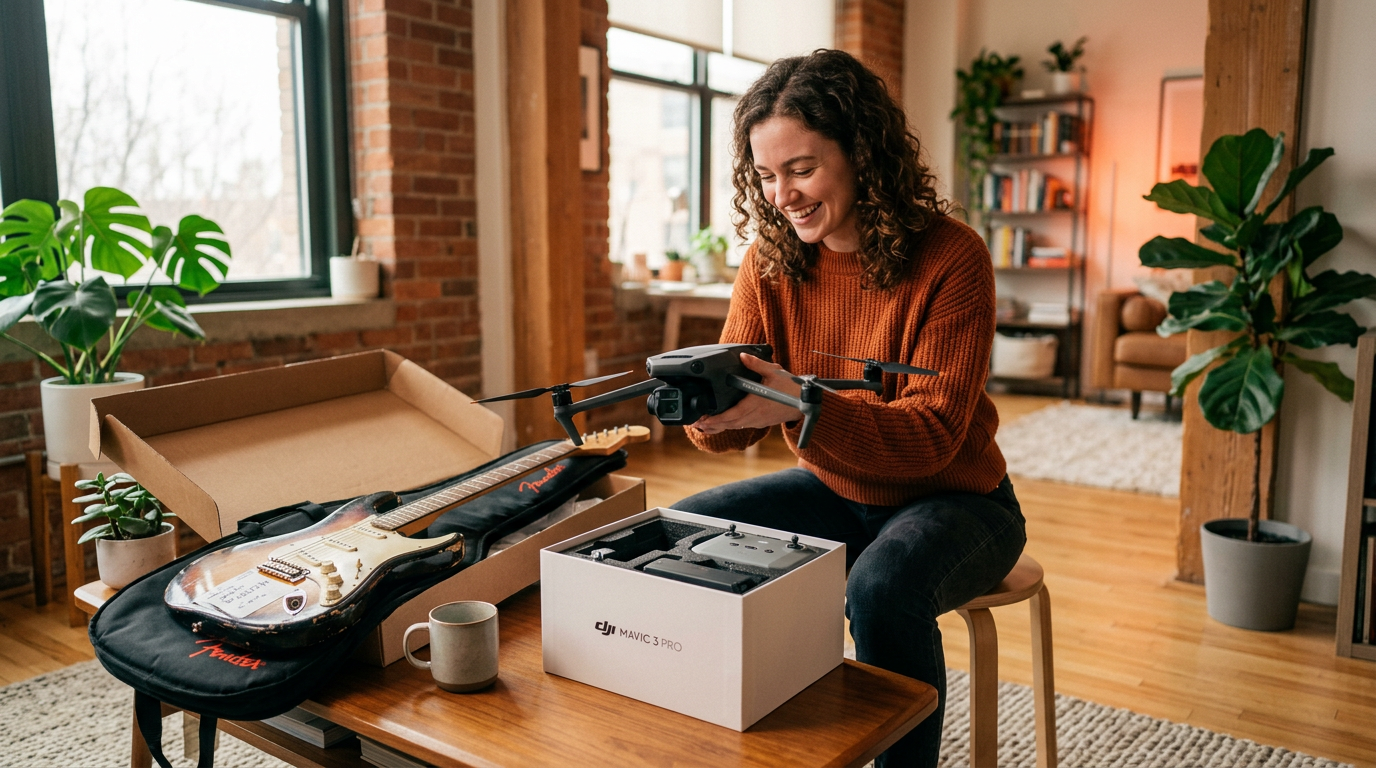
Your First Trade-Up on Flipuz: A Quickstart Guide
Ready to stop reading and start trading? The barrier to entry is zero. Here’s how you can go from zero to your first trade in the next 10 minutes.
-
Download Flipuz and Set Your Dream: The first thing you'll do is declare your ambition. Don't be shy. Is it a down payment for a house? A specific dream car? A luxury watch? Choosing your goal from our Dreams page frames your entire journey and puts you in the right mindset.
-
List Your First Item (Your “Paperclip”): Grab that interesting little item you're ready to part with. Snap a few clear, well-lit photos against a neutral background. Write a short, punchy description. What's its story? Why is it cool? Be honest about its condition. Your reputation starts with your very first listing.
-
Start Swiping: This is the fun part. You’ll see items from other traders. Swipe right if you’re interested, left if you’re not. It’s fast and addictive. You’re not committing to anything, just expressing interest. Let the algorithm learn what you like.
-
It’s a Match! Chat and Negotiate: When another user also swipes right on your item, you have a match. A chat window opens. Now you can talk details. Be friendly and clear. Propose the trade. You can negotiate, offer bundles, or just agree to a 1-for-1 swap.
-
Complete the Swap and Log Your Win: Once you agree, arrange the logistics. Meet locally in a safe public place or arrange for shipping. After the swap is complete, mark it as done in the app. You’ll both get to rate each other, and you'll see your trade history build. That first completed trade is a huge milestone.
That's it. You're officially in the game. Your first item has transformed into something new, something better. The journey has begun.
Your epic trade-up story is waiting to be written. The first chapter starts now. Sign up for Flipuz and start your journey today!
Pro Tips to Dominate the Trade-Up Leaderboard
Want to move faster? Want to see your name on the Trade-Up Challenge Leaderboard? Treat this like the strategic game it is. Here are a few pro tips:
- Master Your Listings: Your photos and descriptions are your storefront. Don’t be lazy. Clean your items. Use natural light. Take pictures from multiple angles. Write descriptions that tell a story and create desire.
- Think Several Moves Ahead: Don't just think about the next trade. Think about the trade after that. Is the item you're acquiring easy to trade? Does it appeal to a broad audience or a very specific niche? Sometimes a slightly “less valuable” but more liquid item is the smarter move.
- Be Hyper-Responsive: When you get a match or a message, reply quickly. The world of online trading moves fast. A trader who gets a quick, enthusiastic response is more likely to close a deal with you than with someone who replies 12 hours later.
- Bundle to Add Value: Have a few smaller items? Bundle them together to trade for one, more valuable item. A collection of video games could be bundled to trade for a new console. This is a great way to consolidate your gains and level up faster.
- Build Your Trader Reputation: Be the person everyone wants to trade with. Be on time for meetups. Ship items when you say you will. Describe your items honestly. A 5-star rating is more valuable than any single item because it builds trust, the ultimate currency on any trading platform.
Follow these tips, stay persistent, and you won’t just be trading—you’ll be winning.
FAQ
Is it actually possible to trade up to something valuable?
Absolutely. The famous red paperclip trade that ended with a house is the ultimate proof of concept. On Flipuz, we see users making incredible trade-up chains all the time, turning things like old phones into high-end laptops, or starter furniture into designer pieces. It requires patience and strategy, but it's 100% possible.
What are the best items to start a trade-up with?
The best starter items are small, interesting, and easy to ship or transport. Think collectibles (like trading cards or Funko Pops), useful gadgets (like a portable charger or Bluetooth speaker), unique accessories, or even popular books. The initial monetary value is less important than its “cool factor” and broad appeal.
How do item trading apps like Flipuz make money if they're free?
Our core mission is to build the largest and most active trading community on the planet. For that reason, the main features of Flipuz—listing, swiping, matching, and trading—are completely free. Our focus is on growth and user success, not transaction fees. In the future, we may introduce optional premium features for power traders, but the fundamental ability to trade will always be free.
How do I handle shipping or meeting up for a trade?
The app facilitates the connection, but you and the other trader coordinate the exchange. For local trades, always agree to meet in a safe, public place like a police station's designated exchange zone or a busy coffee shop. For shipped trades, agree on who pays for shipping beforehand and use tracked services. Always check a user's ratings and trade history for added peace of mind, and follow our safety guidelines.
Stop reading. Start trading.
Pick a dream — house, car, Rolex, MacBook. Drop a starter item. Swipe. Flipuz handles the rest.