
 How-To Guide
How to Start a Trade Up Challenge: The Ultimate Guide
Learn the exact steps to launch your own red paperclip-style adventure. This guide covers everything from choosing your starter item to mastering the art of the trade.
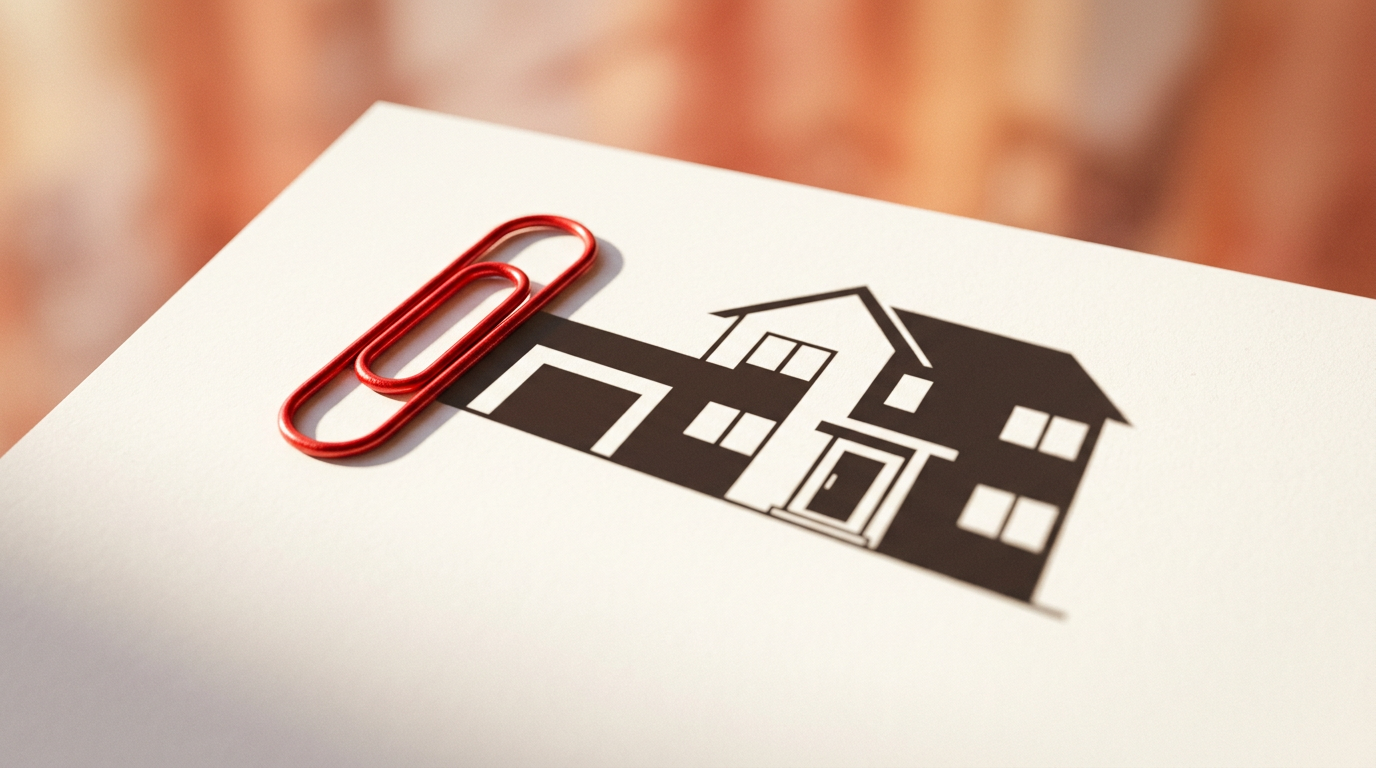
You’ve heard the story. A guy with a single red paperclip trades his way up to a two-story farmhouse. You’ve seen the videos of people swapping a bobby pin for a car. And you’ve thought, “Could I do that?”
The answer is yes. Absolutely. But you need a plan. This isn’t about luck. It’s about strategy, psychology, and having the right tools. Forget dreaming about it. This is your blueprint for turning pocket lint into property. We’ll show you exactly how to start a trade up challenge that actually goes somewhere.
This isn’t just another article. It's the definitive playbook. Read it, follow it, and get ready to make your first trade.
What Exactly Is a Trade-Up Challenge?
Let’s cut the fluff. A trade-up challenge is a series of strategic barters. You start with one item of low or nominal value. You trade it for something of slightly higher value. Then you trade that item for something else of even higher value. You repeat this process, climbing the value ladder, until you reach a pre-determined, ambitious goal.
The entire concept was immortalized by Kyle MacDonald’s legendary one red paperclip story. He didn’t just trade items; he traded stories. Each swap became a chapter in an adventure that people wanted to be a part of. That’s the magic. You’re not just bartering. You’re building a narrative, and the item you hold is the ticket to the next chapter.
Your challenge has one core rule: no cash allowed. Every step up the ladder must come from a pure trade. It’s a test of your negotiation skills, your creativity, and your ability to see value where others don’t. It’s the ultimate side hustle, gamified.
Step 1: Define Your Goal (The “What”) and Your Motivation (The “Why”)
Before you even think about your first item, you need a destination. A vague idea of “something cool” won’t cut it. You need a specific, audacious goal that lights a fire under you.
Define Your “What”: The End Goal
What are you trading for? Be specific. Don’t just say “a car.” Say “a 2022 Ford Bronco.” Don’t just say “a house.” Find a listing for your dream house and make that your target. The more specific your goal, the more real it becomes, and the more compelling your story will be to potential traders.
Your goal should feel almost impossible. That’s the point. Aiming for a slightly better laptop is a simple barter. Aiming for a Rolex is a quest. Big goals attract big attention and bigger trade offers. Need inspiration? Check out the most popular dream goals other traders are chasing on Flipuz.
Define Your “Why”: Your Driving Force
Now, why do you want it? The “why” is your fuel when you hit a plateau. Is it to prove you can achieve something extraordinary? To secure a life-changing asset without debt? To have an incredible story to tell? Maybe it's just for the thrill of the game.
Your “why” is a core part of your pitch. When you tell a potential trader, “I’m trading this snow globe because I’m on a quest to get a down payment for my first home to give my family a better life,” that’s a thousand times more powerful than, “Wanna trade?”
Step 2: Choose Your Starting Item
This is where most people get stuck. They overthink it. The truth? Your starting item matters, but not for the reasons you think. It’s not about its initial value. It’s about its “trade-ability.”
You need to know what to start a trade up with. The best starter items share a few key traits:
- Unique or Interesting: A weird vintage pen is better than a generic Bic. A quirky salt shaker is better than a plain mug. Oddity creates conversation.
- Small and Shippable: Your first few trades might be with people far away. A small, easy-to-ship item opens up your trading pool from local to global.
- Universally Understood: Everyone knows what a pen is. Not everyone knows what a specific electronic component does. Keep it simple at the start.
- Low Sentimental Value: Do not start with your grandpa’s watch. You need to be emotionally detached and ready to trade it away without a second thought.
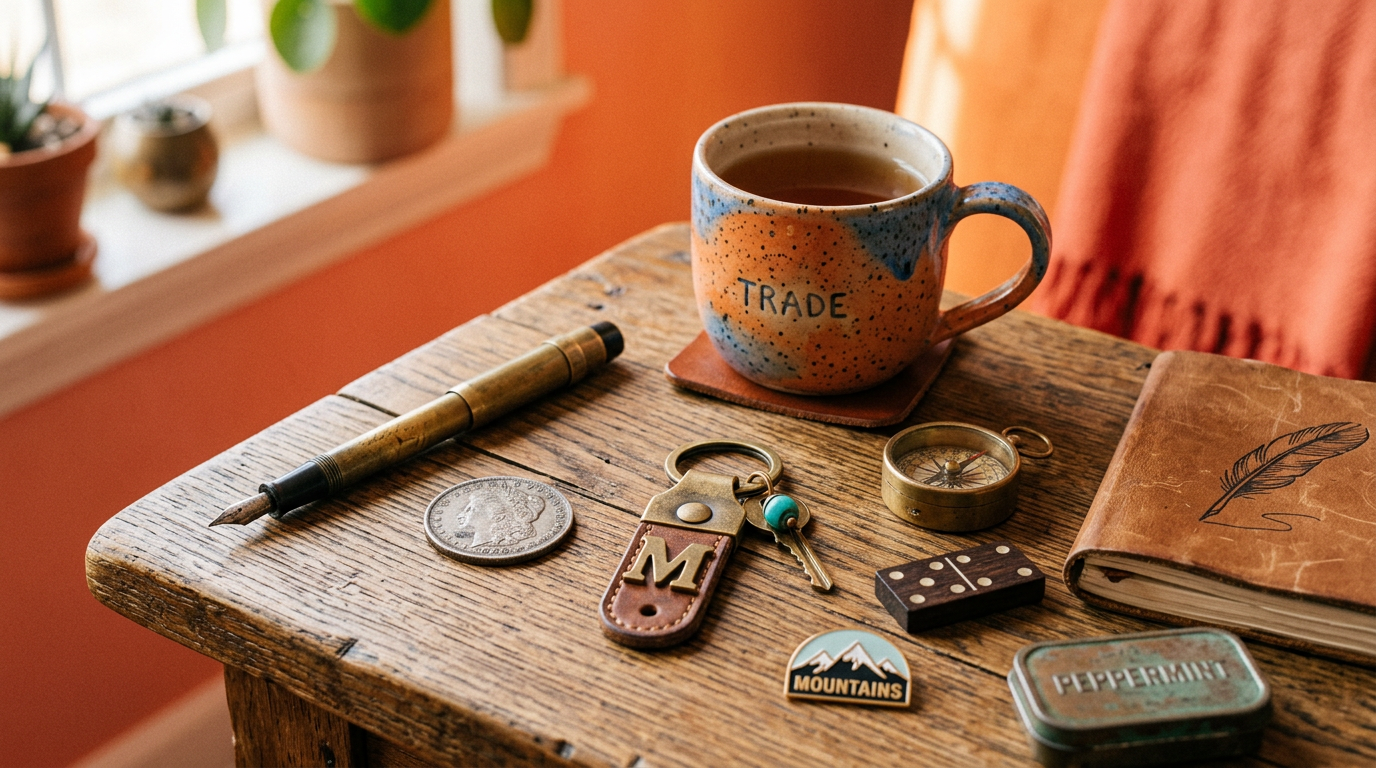
Don’t have a red paperclip? No problem. Look around your desk. A unique bottle opener, a cool-looking rock, a pack of novelty playing cards, a funny keychain. You have something. For more ideas, check out our guide on the best starter items for a trade up.
The goal of your first trade isn’t to double your value. It’s just to get the ball rolling. Trade your paperclip for a pen. Boom. You’re officially in the game. You’ve proven the concept works.
Step 3: Master the Art of the Pitch
You’re not selling an item. You’re selling a story. An opportunity. You need to craft a pitch that makes people want to be part of your journey. Every listing, every message, every conversation is a pitch.
Nail Your Visuals
Your item needs to look like a prize, even if it’s a paperclip.
- Lighting: Use natural light. Go near a window. Avoid harsh, yellow indoor lights.
- Background: Use a clean, neutral background. A white piece of paper, a wooden table, a solid-colored wall. No clutter.
- Angles: Take multiple photos. Show the top, bottom, and sides. Take a close-up shot to show detail. Take one shot of you holding it to give a sense of scale.
A bad photo can make a gold coin look like a rusty bottle cap. A great photo can make a simple pen look like a collector’s item.
Write a Killer Description
This is where you weave your magic. Follow this formula:
- The Hook: Start with your mission. “I’m on a journey to trade this one fish-shaped bottle opener all the way up to a vintage Airstream trailer.”
- The Item: Briefly and honestly describe the item you have. Mention its cool features or any unique history it has.
- The Ask: Clearly state what you’re looking for. In the beginning, be open. “Looking to trade for anything of greater perceived value. What do you have?”
- The Vision: Remind them of the goal. “Your trade could be the crucial step that gets me from this bottle opener to the open road.”
People are drawn to progress. By framing your trade as a pivotal moment in a grand adventure, you give them a reason to participate beyond just getting your item.
Step 4: Find Your Trading Arena
Where do you find people to trade with? You could go old-school with Craigslist or Facebook Marketplace, but you'll spend most of your time fending off low-ballers, scammers, and people who ask “is this still available?” and then vanish.
Those platforms are designed for cash sales. Bartering is an afterthought. You need an arena built for the game you’re playing.
This is why we built Flipuz. It’s the world’s first gamified marketplace designed exclusively for trading up. It’s not just an app; it’s a dedicated ecosystem for traders. Here’s why it’s your best bet:
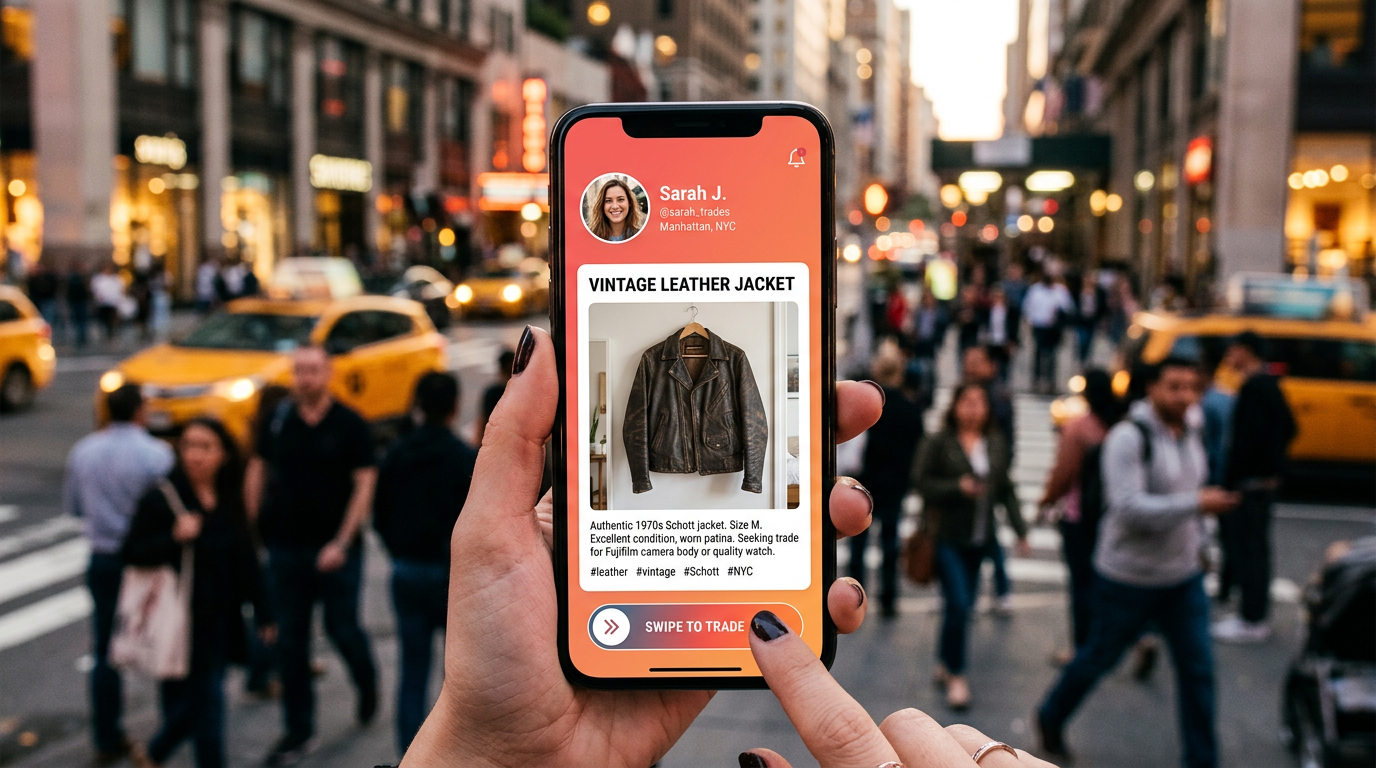
- Swipe, Match, Trade: The interface is intuitive and addictive. You swipe right on items you want, left on those you don’t. A mutual right swipe is a match, opening a direct line to negotiate a trade.
- No Fees: We don’t take a cut. A trade is a trade. What you negotiate is what you get.
- Built-in Journey: Document your entire trade-up challenge right in the app. Every trade is automatically logged, creating a visual timeline of your journey that other users can follow.
- A Community of Traders: Everyone on Flipuz is there for the same reason. They get it. You don’t have to explain the concept of trading up; you just have to make your pitch.
Don't try to play chess in a casino. Go to the arena built for champions. Your challenge deserves a platform that amplifies your story, not one that buries it.
Step 5: Document and Amplify Your Journey
Kyle MacDonald’s secret weapon wasn’t his paperclip. It was his blog. He documented every single trade, telling the story of the people he met and the items he acquired. This documentation created momentum. It built an audience that was invested in his success.
You must do the same. The story is your most valuable asset. The more people who see it, the better your trade offers will be.
- Use Social Media: Create a dedicated Instagram, TikTok, or Twitter account for your challenge. Post updates for every trade. Make videos unboxing your new item and telling the story of how you got it.
- Create a Hashtag: Make it unique and memorable, like #BobbyPinToBronco or #PenToPenthouse. Use it in every post.
- Leverage Flipuz: Our platform has built-in social features. Your journey is shareable. As you climb the ranks, you'll get featured, putting your story in front of the entire Flipuz community. Browse some other trade up success stories to see how it's done.
When you get a great offer, it might not be because the person desperately wants your used office chair. It’s because they want to be the person who helped you trade that chair for a motorcycle. They want to be a character in your story. So, make sure you’re telling a great one.
Rules of the Road: Your Trading-Up Commandments
Stick to these principles. They are the unofficial trade up challenge rules that separate the legends from the people who quit after three trades.
- Patience is Your Superpower. You might trade your pen for a doorknob in an hour. You might then hold that doorknob for three months. That’s the game. Bad trades happen when you get impatient. Wait for the right offer, not just any offer.
- Value is Subjective. The golden rule of bartering. That ugly lamp your trader’s grandma left them might be worthless to them, but it could be a coveted mid-century modern piece to a designer on the other side of the country. Your job is to find the person who overvalues your item.
- Trade for “Trade-ability.” Don’t just trade for higher monetary value. Trade for higher “trade-ability.” A bulky, hard-to-ship exercise machine might be technically worth more than your signed baseball, but the baseball is easier to trade. Sometimes you need to make a lateral move in value to get an item that appeals to a wider audience.
- Always Be Safe. When meeting in person, always choose a public place. A police station lobby, a busy coffee shop, or a designated safe trade spot. Trust your gut. If a trade feels sketchy, it is. Walk away. We take this seriously; review our safety guidelines before you make your first meet-up.
- Be Human. Behind every item is a person. Be polite, be responsive, and be genuine. Build rapport. Even if a trade doesn’t work out, a positive interaction might lead them to share your profile with a friend who has exactly what you need. Don’t burn bridges.
Ready to Start Your Own Trade Up Challenge?
You have the blueprint. You know the rules. You understand the strategy. The only thing left to do is start. That dream of owning a home, a car, or that grail watch without spending a dime is not a fantasy. It’s a project. And it starts today.
Stop watching other people’s success stories and start writing your own. Your first item is sitting on your desk or in a drawer right now. Your grand prize is just a few good swaps away.
Stop dreaming and start doing. Sign up for Flipuz now, list your first item, and make your first trade. The journey starts with a single swipe.
FAQ
What’s the best item to start a trade-up challenge with?
A good starter item is small, unique, easy to ship, and has no sentimental value to you. Think of a novelty keychain, a vintage pen, a quirky coffee mug, or even a literal red paperclip. The goal isn't high initial value, but high 'trade-ability' and story potential.
How long does a trade-up challenge take?
It varies wildly. Kyle MacDonald's red paperclip trade took about a year. Others have achieved major goals in a few months. Your timeline depends on your goal's audacity, the time you invest, the quality of your storytelling, and a bit of luck. It's a marathon, not a sprint.
Is trading items for free online safe?
It can be, if you follow smart precautions. Always use a trusted platform with community guidelines. When meeting in person, choose a public, well-lit location, like a coffee shop or a police station's designated 'safe trade' zone. Never give out unnecessary personal information. If a deal feels off, trust your instinct and walk away.
Do I have to start with a red paperclip?
Absolutely not. The red paperclip is iconic, but it's just a symbol. You can start with any low-value item you have on hand. The key is to start with something. The story becomes about what you started with, no matter what it is, and the incredible journey it takes.
Stop reading. Start trading.
Pick a dream — house, car, Rolex, MacBook. Drop a starter item. Swipe. Flipuz handles the rest.