
 Trading Guides
The Ultimate Free Item Trade Up Challenge Guide (2024)
You have something you don't use. Someone else wants it. That's the first step in the free item trade up challenge—a journey of turning everyday objects into your ultimate goal, and this is your map.
You Have the Key. You Just Don’t Know It Yet.
Look in your desk drawer. In your garage. That old gadget, that book you've already read, that slightly-too-quirky gift you never used. You see clutter. We see a key. A key that could unlock a better phone, a new car, or even a house.
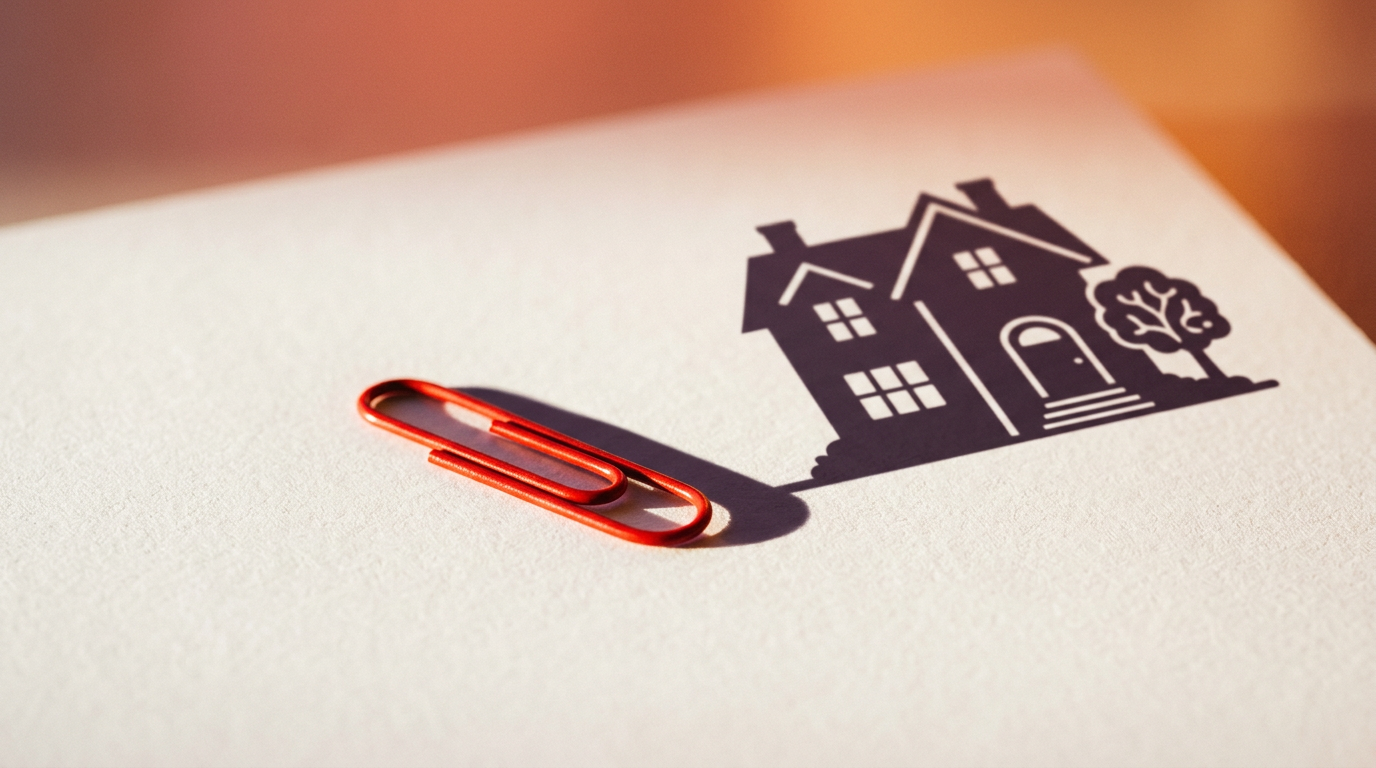
Welcome to the free item trade up challenge. It’s not a fantasy. It’s a strategy. It’s the journey that made Kyle MacDonald a legend when he famously bartered his way from a single red paperclip to a two-story farmhouse. Think it’s a one-in-a-million story? Think again. The principles are simple, the process is repeatable, and the tools have evolved.
This isn't just another article. This is your comprehensive playbook. We’re going to break down the entire process, from finding your starter item to negotiating like a pro and avoiding the common pitfalls. You have the ambition. We have the map. Forget cash. The currency of this adventure is value, creativity, and persistence. Your journey starts right now.
What Exactly Is a Free Item Trade Up Challenge?
At its core, the concept is beautifully simple: you start with one small, often insignificant, item. Your goal is to trade that item for something slightly more valuable. Then you trade that item for something else of even greater value. You repeat this process, climbing the value ladder one swap at a time until you reach your ultimate goal.
The “free” part is critical. This isn't about selling for cash and buying something else. This is pure, old-school bartering supercharged for the 21st century. It's a barter trade up game where the only thing that changes hands are the items themselves. It’s a system that proves you don’t need a stacked bank account to acquire amazing things.
Why does it work? Because value is subjective. The dusty snowboard in your closet is worthless to you if you live in Miami. But to an aspiring snowboarder in Denver, it’s a ticket to the mountains. Your forgotten guitar could be the key to someone else’s rockstar dream. The challenge is a masterclass in finding that perfect overlap of needs—your surplus for their desire. It’s about creating win-win scenarios. Every successful trade leaves both parties better off.
This is more than just an item swapping challenge; it's a testament to human connection and ingenuity. It strips away the cold, impersonal nature of currency and forces you to engage, to tell a story, and to find shared value with another person. The original red paperclip trade wasn't just a series of transactions; it was a series of stories and relationships that propelled the journey forward.

The Mindset: Are You Built for the Trade Up Game?
Before you pick your starter item, you need the right mindset. You don't need to be a Wolf of Wall Street negotiator, but you do need to cultivate a few key psychological traits. The good news? These are skills, not innate talents. You can learn them.
Patience is Your Superpower
This is a marathon, not a sprint. You won’t trade a pen for a car in a week. There will be lulls. You might hold onto an item for days, weeks, or even months before you find the right trade. The people who fail are the ones who get impatient and settle for a bad deal. The winners understand that waiting for the right person and the right offer is part of the strategy. Patience is what separates a good trade from a legendary one.
Embrace Creative Value
You need to learn to see beyond the price tag. An item's value isn't just what it would sell for on eBay. Its true value is determined by who wants it and why. Your job is to be a detective. Who needs this specific item right now? A collector? A hobbyist? Someone who needs a replacement part for a broken machine?
Storytelling also adds immense value. It’s not just a “used camping stove.” It’s “the reliable camping stove that cooked meals on a trip through the national parks.” The narrative of your trade-up journey itself becomes a valuable asset. People are more willing to trade for an item that is part of an exciting, documented challenge. Learn more about the psychology of trading up to get a real edge.
Redefine Rejection
You will hear “no.” A lot. Get used to it. ”No” doesn't mean you've failed. It just means that wasn't the right person or the right offer. Every “no” is a data point that gets you closer to a “yes.” Don't take it personally. Thank the person for their time and move on. The most successful traders are relentlessly persistent. They understand that the game is a numbers game.
How to Start Your Trade Up Challenge: The Ultimate Blueprint
Ready to get started? Follow these steps, and you’ll be on your way. This is the practical, no-fluff guide to making your first, and subsequent, trades.
Step 1: Choose Your Starter Item
Don't overthink this. The goal is to start, not to start perfectly. Find something small, common, and easy to transport.
- Classic Choices: A unique pen, a cool-looking rock, a book, a small toy, or yes, a paperclip.
- Why Small? It’s non-threatening and makes the story more compelling. Going from a paperclip to a pencil is an easy first step. Going from a used laptop to something slightly better is much harder.
- The Key: Pick something with a story or a unique quality. A colored paperclip is more interesting than a silver one. A signed book is better than a regular one. Need ideas? Check out our list of the best starter items for a trade up.
Step 2: Document Everything
Your story is half the value. From the very first item, document your journey. Create a free blog, an Instagram account, or a TikTok series dedicated to your challenge. Post a picture of your starter item and state your goal.
- What to Post: Clear photos of each item, the story of each trade, and where you're headed next.
- Why it Works: It builds social proof and makes people want to be part of your story. A trade with you isn't just getting an item; it's getting a role in an exciting adventure. This public accountability also keeps you motivated.
Step 3: Find Your Trades (The Old Way vs. The New Way)
The hardest part used to be finding people to trade with. You’d have to scour Craigslist, post on messy Facebook groups, and deal with endless no-shows and lowballers. It was inefficient and often felt unsafe meeting strangers in parking lots.
That's where the game has changed. While those platforms can still work, they weren't built for bartering.
Step 4: The Modern Solution - Use Flipuz
The free item trade up challenge needed its own dedicated arena. That's why Flipuz exists. It’s an app designed specifically for this purpose. Think of it as Tinder for your stuff. You swipe through items others have posted. If you both swipe right, it’s a match. You can then chat and arrange the swap.
- Efficiency: No more sifting through “for sale” posts. Everyone on Flipuz is there to trade.
- Safety: You build a profile, review user ratings, and chat within the app. Our community is built on trust and our safety guidelines protect you.
- Gamification: Flipuz turns the trade up into a real game. You can track your trade history, see your value increase, and even compete on our barter leaderboard. It's the ultimate 'trade up game guide' in your pocket.
Step 5: Master the Art of the Ask
Once you find a potential trade, how you pitch it matters.
- Be Specific: ”I see you have a portable speaker. I'm on a trade-up challenge and I'm offering this high-quality leather-bound journal. It's brand new and perfect for someone who loves to write.”
- Highlight Their Win: Explain why your item is a good fit for them. ”Since you're listing a lot of art supplies, I thought you might appreciate a premium journal for your sketches.”
- Share the Story: Briefly mention your challenge. ”My goal is to trade this all the way up to a down payment for a house. Your trade would be a huge step in my journey!”
Common Pitfalls and How to Sidestep Them
The road to your dream item has a few potholes. Here’s how to avoid them.
Getting Stuck on an Item
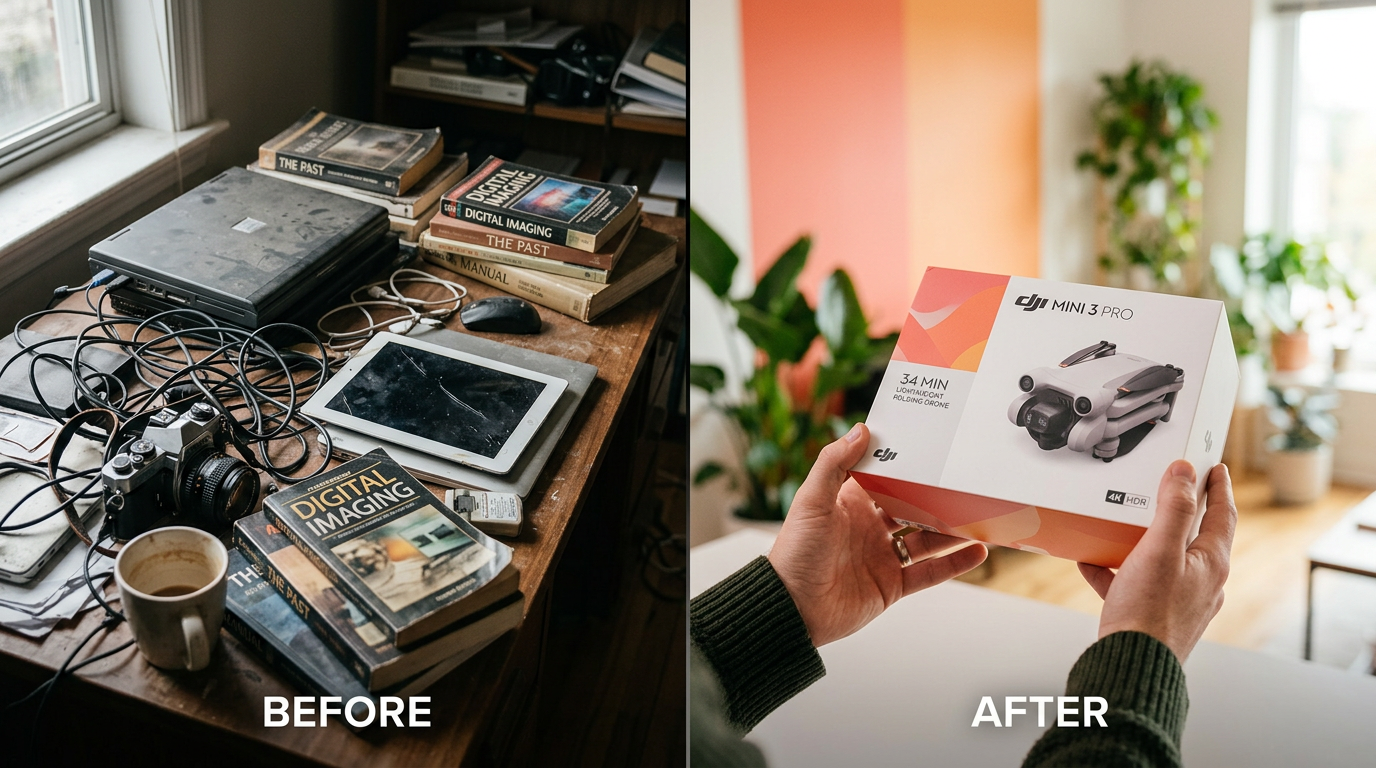
It happens. You trade for a niche item like a taxidermy squirrel, and now nobody wants it. What to do? Don't panic. Broaden your search. Instead of looking for another niche item, try trading it for something more mainstream, even if it feels like a slight step down in monetary value. A widely useful item is easier to trade than a highly specific one. Or, get creative. The person who traded a snow globe for a role in a movie wasn't trading item-for-item; they were trading an object for an experience.
Safety and Scams
Trading with strangers carries risks. Items might not be as described, or worse, the person could be unreliable. How to protect yourself? Always meet in a public place. Inspect the item thoroughly before you hand yours over. Better yet, use an app like Flipuz where user profiles and reviews create a layer of accountability. Stick to our platform rules, and you'll be engaging with a community that values fair play.
Losing Motivation
After your tenth trade, when you're still in the “small appliance” phase and your dream car feels impossibly far away, your motivation will be tested. How to stay focused? Re-read your first post. Look at how far you've come. Browse through some trade up success stories to see what's possible. The journey is a series of small, achievable wins. Celebrate each one. Every swap is a victory.
Stop Dreaming, Start Trading
The free item trade up challenge is more than a game; it’s a mindset shift. It teaches you to see value everywhere, to connect with people in meaningful ways, and to achieve massive goals without a single dollar. It proves that what you have right now is enough to start.
That red paperclip story is not a fairy tale. It’s a blueprint. People are using this blueprint right now on Flipuz, turning their clutter into capital. They are on their way to that camera, that vacation, that Rolex, that car.
What are you waiting for? The perfect moment doesn't exist. The perfect starter item is already in your possession. The only missing piece is you. It’s time to move from being an audience member to being the main character in your own trade-up story.
Download Flipuz and make your first trade today.
FAQ
How long does a free item trade up challenge take?
A trade up challenge can take anywhere from a few months to a few years, depending on your goal, your strategy, and your luck. Kyle MacDonald's famous paperclip-to-house trade took about one year and 14 trades. The key is persistence, not speed. Focus on making good trades, not fast ones.
What is the best item to start a trade up with?
The best starter items are small, unique, and have a low barrier to entry. Think of a colored paperclip, a cool pen, a vintage postcard, or a small, interesting gadget. The goal isn't to start with high monetary value, but with high story potential. Something that makes people say, "You started with that?" For more ideas, check out our bartering guide for beginners.
Is trading items for other items legal?
Yes, bartering is completely legal. It's a form of commerce as old as humanity itself. However, be aware that the IRS considers the fair market value of items received through bartering as taxable income. For most small, personal trades, this is rarely an issue, but if you successfully trade up to a high-value asset like a car or house, it's wise to consult with a tax professional.
How does an app like Flipuz make the trade up challenge easier?
Flipuz is a game-changer for the trade up challenge. It solves the biggest problem: finding willing trade partners. Instead of searching across multiple platforms not designed for bartering, Flipuz provides a dedicated community of traders. The swipe-to-match system is efficient, the in-app chat is secure, and the gamified features like trade history and leaderboards keep you motivated. It makes the entire process faster, safer, and more fun than ever before.
Stop reading. Start trading.
Pick a dream — house, car, Rolex, MacBook. Drop a starter item. Swipe. Flipuz handles the rest.