
 Game Guide
The Flipuz Trading Game: From Junk to Your Dream Car
Stop dreaming and start trading. This is your definitive guide to the Flipuz trading game, the real-life item swap challenge that turns clutter into capital.
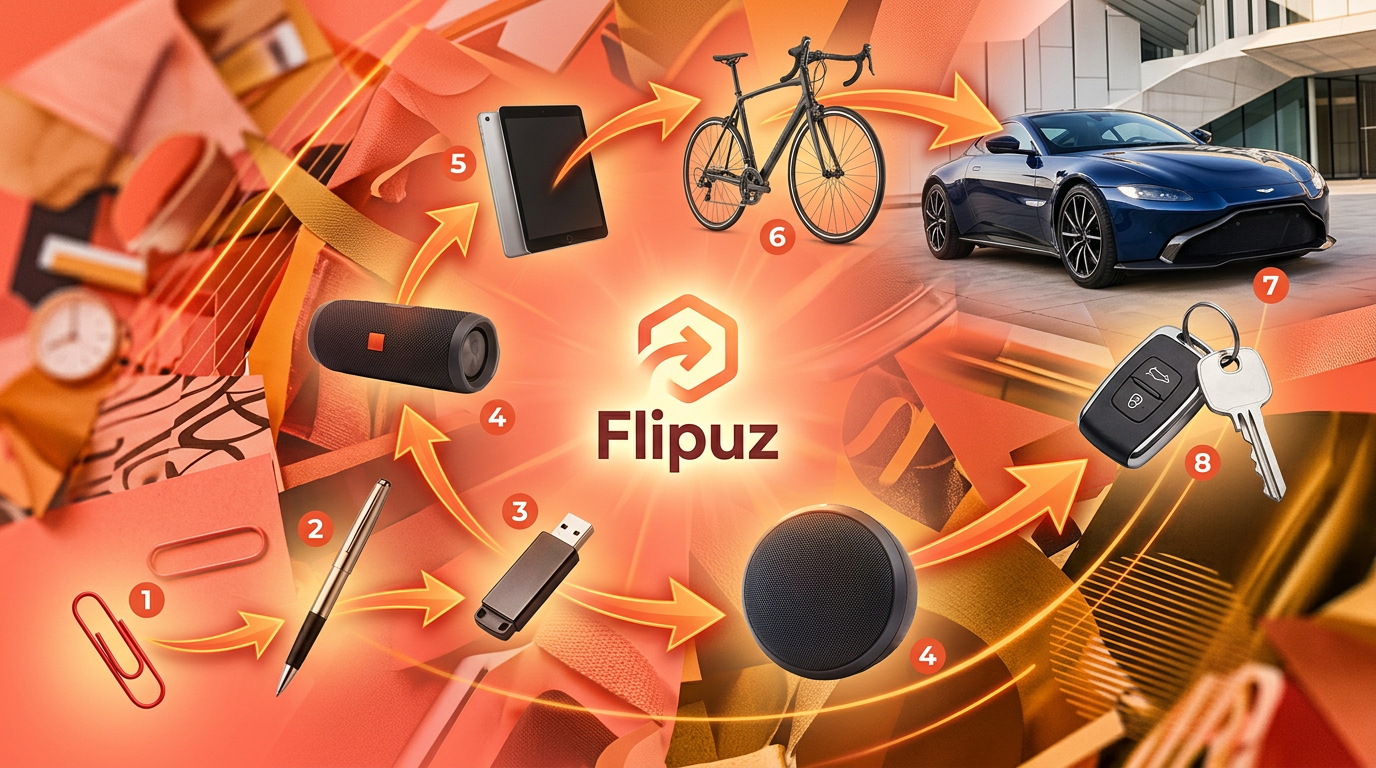
The Ultimate Guide to the Flipuz Trading Game
You've heard the stories. Someone starts with a worthless trinket and, through a series of clever swaps, ends up with something incredible—a car, a vacation, even a house. You've probably thought, "That's a neat trick, but it's not for me." Wrong. That's not a trick; it's a game. And you can play it.
This isn't about luck. It's about strategy. The modern-day version of this journey isn't a random series of classified ads and Craigslist meetups. It's the Flipuz trading game. It’s the structured, gamified path from that old thing in your closet to the high-value asset you're dreaming about. Forget fantasy; this is about turning your tangible, real-world clutter into capital, one smart swap at a time.
The famous story of the red paperclip trade wasn't a fluke; it was a proof of concept. Kyle MacDonald proved that with patience and a clear goal, you can trade your way up to anything. Flipuz takes that concept and puts it on steroids, giving you a platform, a community, and the tools to play the game better, faster, and smarter than ever before.
So, read this guide. Absorb the strategy. This is your playbook for the most rewarding game you'll ever play—one where the jackpot isn't points, but real, valuable, life-changing stuff.
What is the Flipuz Trading Game, Really?
Let’s be clear. The Flipuz trading game isn’t just about getting rid of your old stuff. It’s a strategic challenge to increase the value of your inventory with every single swap. It’s chess, not checkers. You’re not just making a one-off trade; you’re executing a series of moves designed to get you closer to a specific, high-value goal.
At its core, Flipuz is a gamified marketplace built exclusively for trading. There's no cash allowed. Your currency is your items and your ability to spot a good deal. This changes everything. When money is off the table, a different set of rules applies. Value becomes subjective. The vintage comic book that’s gathering dust for you could be the missing piece of someone else's collection—and they might have a high-end drone they never use that you've been eyeing.
This is the heart of the game: leveraging differences in perceived value.
The game mechanics are simple and intuitive:
- List Your Item: You start with what you have. Anything. An old guitar, a stack of books, a piece of art, a kitchen gadget.
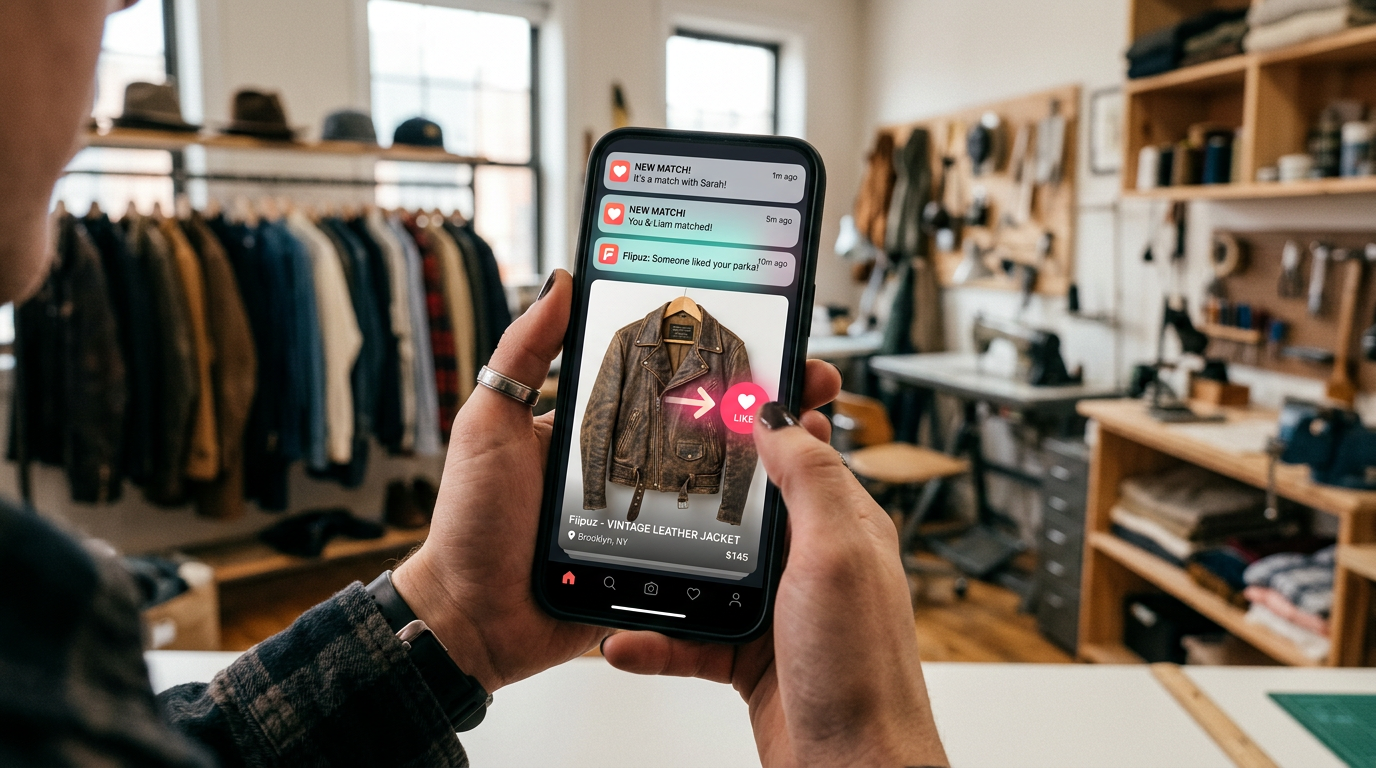
- Swipe on Potential Trades: Flipuz shows you items from other players. You swipe right on what you want and left on what you don't. It’s a fast, addictive way to browse potential value swaps.
- Match and Chat: When another player swipes right on your item, it's a match. You can then open a secure chat to discuss the trade. This is where you pitch, negotiate, and seal the deal.
- Swap and Level Up: Complete the trade in real life. Your “inventory” has now been upgraded. You've successfully completed a level of the game. Now, repeat the process with your new, more valuable item.
This cycle is the engine of the Flipuz trading game. Every swap is a step up the value ladder. You're not just trading; you're playing. You're building an asset portfolio with zero cash investment.
From Paperclip to Payout: The Unwritten Rules of the Game
To win, you need to understand the fundamental rules and strategies that separate the casual swappers from the trade-up legends. The app gives you the arena; your strategy determines if you'll reach the winner's circle.
Rule #1: Start with What You Have
Don't overthink this. The perfect first item doesn't exist. The best first item is the one you list today. Look around your home. That old video game console, the brand-name jacket you never wear, the unused set of golf clubs—they're not junk; they are your entry tickets to the game. The key is to find something with a clear perceived value. A recognizable brand, a useful function, or a cool aesthetic. Need ideas? Our guide on the best starter items for a trade-up is your first stop. The goal of your first trade isn't to get a car; it's to get a better item than the one you started with. That's it. Win the first level.
Rule #2: Define Your 'Endgame' Item
A ship without a destination just drifts. A trader without a goal makes bad swaps. Before you make your second or third trade, you need a target. Is it a Rolex? A down payment on a car? A specific vacation package? This “Dream” item gives your trading journey direction. It helps you evaluate potential trades. Ask yourself: “Does this trade get me closer to my Dream?” If the answer is no, you swipe left. Having a clear goal transforms your trades from random swaps into calculated moves. It focuses your efforts and motivates you to keep playing when a good trade takes time to find.
Rule #3: Master the Value Proposition
In a world without cash prices, value is king. Your job is to understand and articulate the value of your items. Don’t just write “blue chair.” Write “Vintage mid-century modern accent chair. Perfect for a reading nook or home office. Structurally sound, with original upholstery. A real statement piece.”
Take great photos. From all angles. In good light. Show the item in a setting where it looks its best. You are marketing your item to another player. Your listing is your opening move. Make it a strong one.
When evaluating other items, think about their potential. Don't just see a dusty bicycle; see a bicycle that, with a $10 cleaning kit and an hour of work, becomes a desirable commuter bike you can trade for something even better. You're looking for items with high latent value—potential that current owners have overlooked.
Rule #4: Patience is Your Superpower
This is a marathon, not a sprint. You will not trade a paperclip for a car in a week. Kyle MacDonald's journey took a year. You will get trade offers you need to refuse. You will hold onto an item for weeks, waiting for the right match. This is normal. This is part of the strategy.
Impatience leads to bad trades. It makes you accept a low-value offer just to feel like you're making progress. True progress is trading up, not just trading sideways. The right trade is always worth waiting for. Use the downtime to research the value of items you're interested in, polish your listings, and keep an eye on what's new in the marketplace.

Winning Strategies for the Ultimate Bartering Game
Ready to move from player to pro? These advanced strategies will give you an edge and accelerate your journey up the value ladder.
Strategy: Play the Story Angle
Every item has a story. Find it and tell it. Was this guitar used to write a song? Was this dining table the center of family holidays for years? A good story creates an emotional connection and increases an item's perceived value. People don't just trade for things; they trade for the story and the experience the thing represents. When you get a new item, ask the previous owner about its history. You're not just acquiring an asset; you're acquiring its narrative, which becomes a powerful tool in your next trade.
Strategy: Hunt for Mismatched Value
Your core mission is to find situations where another user undervalues their item, overvalues your item, or both. This is the sweet spot. A musician might be desperate for a specific effects pedal you have (high value for them) and be willing to part with a high-end camera they never use (low value for them). You, a budding photographer, see the reverse. This is a perfect trade. It’s a win-win where both parties feel they got the better end of the deal. Look for these imbalances. They are the fuel of the trade-up engine.
Strategy: Create Trade Packages
Sometimes a single item isn't enough to make a trade for a higher-value item. Get creative. Can you bundle two or three of your smaller items to make a compelling package? A gaming enthusiast might not want just your old console, but they might trade their electric scooter for your console, two controllers, and a stack of classic games. Bundling allows you to punch above your weight class and make trades that would be impossible with a single item.
Strategy: Master the Art of Negotiation
Once you match, the real game begins. The chat is your negotiation table. Be polite, be confident, and be clear about what you want. Start by highlighting what you like about their item. Then, reiterate the value of your own. Don't be afraid to make a counter-offer. If they can't make the trade you want, ask if they have anything else they'd be willing to part with. Sometimes the best item a user has isn't even listed yet. The chat is your opportunity to uncover hidden value and craft the perfect deal. Always be willing to walk away. The player who needs the deal less has the most power.
Your First Move Starts Now
The Flipuz trading game is more than an app—it's a mindset. It's about seeing the hidden value in the world around you. It's about realizing that the path to your biggest goals doesn't always require a bank account, just a bit of cleverness, patience, and the right platform.
You have the playbook. You know the rules. You understand the strategies. The only thing left to do is make your first move. That unused item sitting in your home is your ticket in. Your dream car, your grail watch, your next adventure—it's all on the other side of a few smart swaps.
Ready to play?
Start your first trade on Flipuz now.
FAQ
Is the Flipuz trading game real?
Yes, absolutely. The 'game' refers to the strategic, fun, and competitive process of trading real-world items on the Flipuz app. You are swapping actual, physical goods with other real people. The only 'game' part is our gamified system of swiping, matching, and leveling up your items towards a goal, all without using money.
What's the best item to start a trade-up with?
The best starter item is something you already own that has recognizable value and broad appeal. Think brand-name electronics (even older models), musical instruments, functional furniture, or popular hobby gear like skateboards or bikes. The key is to list something that other people can easily see the value in, making that first crucial trade easier to secure.
How is this different from the red paperclip trade?
Flipuz is the digital evolution of the red paperclip trade. Kyle MacDonald had to rely on Craigslist, personal blogs, and in-person meetings for every step. Flipuz streamlines the entire process. We provide the platform for discovery (swiping), negotiation (secure chat), and a community of like-minded traders, making the journey safer, faster, and more accessible to everyone.
Can I really trade up to a car or a house?
Yes, it's the ultimate goal of the game. It requires immense dedication, smart strategy, and dozens or even hundreds of trades. It won't happen overnight, but by consistently swapping for items of higher value, you can build an asset portfolio from nothing. The platform is designed to make these 'Dream' goals achievable for our most dedicated players.
Stop reading. Start trading.
Pick a dream — house, car, Rolex, MacBook. Drop a starter item. Swipe. Flipuz handles the rest.