
 Trading Guides
Gamified Bartering App: Your Guide to Trading Up
Learn how a gamified bartering app turns your unused stuff into a thrilling quest for valuable items. We break down the psychology, strategy, and steps to start your own trade-up challenge.
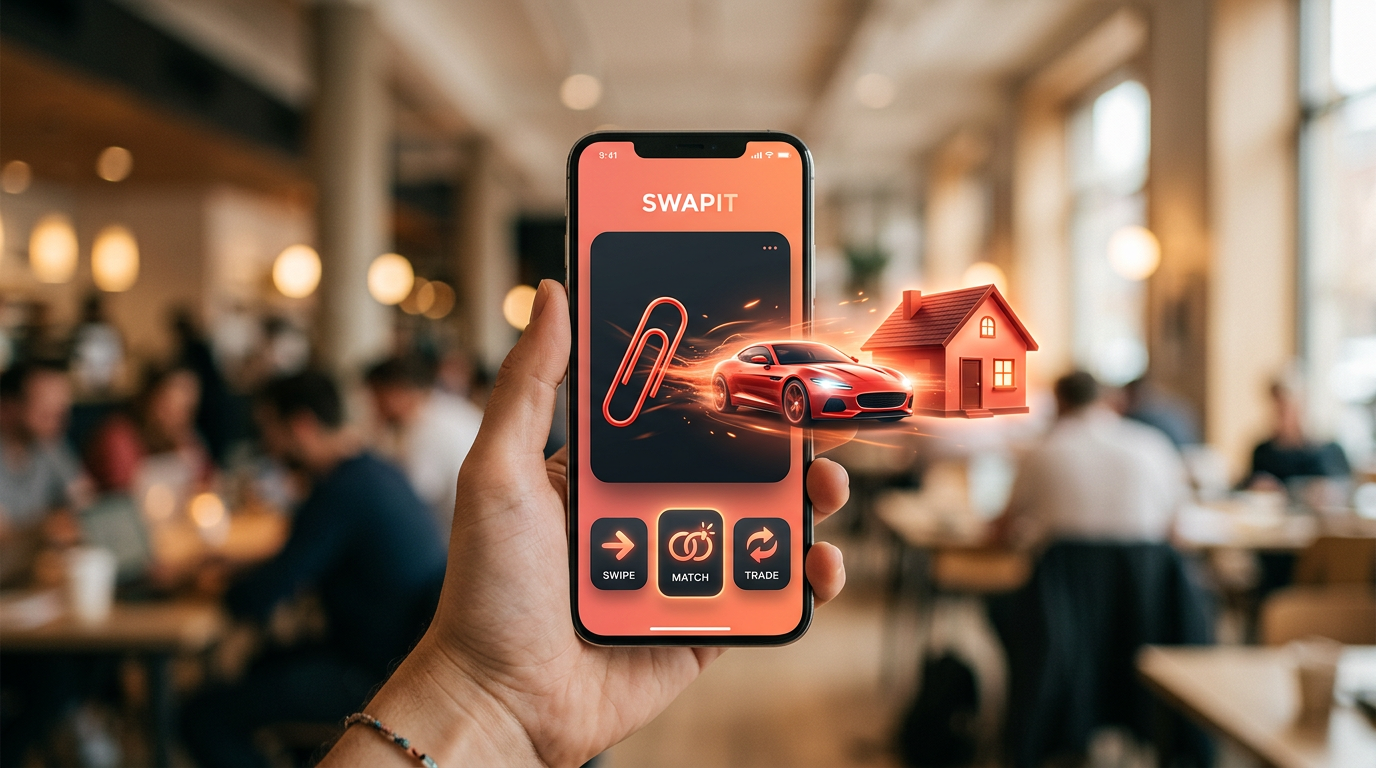
You’re staring at a garage full of… stuff. Old gadgets, forgotten hobbies, gifts that missed the mark. It’s not junk, but it’s not doing you any good, either. Now, what if you could turn that dusty exercise bike into a high-end laptop? That laptop into a vintage motorcycle? That motorcycle into a down payment on a car?
This isn’t a fantasy. It’s the core principle of the trade-up, famously proven by Kyle MacDonald, who traded one red paperclip all the way up to a house. His journey was a slow, analog grind. Today, you have a massive advantage: the gamified bartering app.
These platforms transform the ancient art of bartering into an addictive, fast-paced game. It's less like a stuffy classifieds page and more like a high-stakes quest where you are the hero. This isn't just about swapping; it's about winning. Ready to play? Here’s your rulebook.
What Exactly Is a Gamified Bartering App?
Forget the endless, ghost-filled message threads on Facebook Marketplace or the sketchy meetups from Craigslist. A gamified bartering app is a modern solution designed for one thing: trading items for other items, with a layer of fun and competition.
Think of it as a dating app for your possessions. You list an item. You swipe through items other people have listed. If you like something and they like your item in return, it’s a match. From there, you arrange the swap. The “gamified” part is what makes it revolutionary.
It’s an item trading game built on proven mechanics that make experiences compelling:
- The Swipe: Fast, intuitive, and satisfying. You make quick judgments, relying on gut feelings and strategy. Each swipe is a micro-decision that keeps you engaged.
- The Match: That burst of validation when someone wants what you have. It’s a dopamine hit that confirms your item has value and brings you one step closer to a trade.
- Leaderboards: This is where the competition heats up. A gamified app shows you who's making the most trades, who has the highest value items, and who is climbing the ladder the fastest. It’s public proof of your trading prowess. Check out the top traders on the Flipuz Leaderboard to see what’s possible.
- Achievements & Streaks: Made your first trade? Unlocked an achievement. Traded five times in a week? You’re on a streak. These small rewards build momentum and make the journey feel like a series of wins.
- The Ultimate Quest (Your Dream): This is the main storyline. Unlike aimless swapping, a true gamified bartering app lets you set a concrete goal—a Rolex, a car, a boat. Every trade you make is a strategic move toward that epic prize.
This structure removes the friction and ambiguity of old-school bartering. It provides a clear path, immediate feedback, and a competitive arena. You’re not just getting rid of stuff; you’re leveling up.
The Psychology Behind the Swap: Why Gamified Trading Works
Why is swiping through items so much more compelling than scrolling through classifieds? It’s all about psychology. A trade up challenge app taps directly into the wiring of the human brain.
First, you have the Endowment Effect. This is a cognitive bias where we place a higher value on things we own. When you’re trying to sell something for cash, you often feel like you’re getting lowballed. Buyers want the lowest price, and it feels like a loss. In a trade, this is flipped on its head. The other person also overvalues their item. When you find a match, both of you feel like you’re getting a great deal—a classic win-win.
Then there's the power of narrative. Humans are story-driven creatures. When you start with a small, seemingly insignificant item, you’re not just making a transaction. You’re starting a story. You’re embarking on an adventure. This is the magic of the red paperclip trade; the story was more valuable than any single item in the chain. Your journey from a used book to a new tablet has a narrative arc. People get invested in stories, which makes your items more desirable to potential trade partners who want to be part of your journey.
Finally, the entire experience is a variable reward system. This is the same mechanism that makes video games and social media so addictive. You don’t know when you’ll get a match or find the perfect item to trade for. That unpredictability keeps you coming back. Each swipe holds the potential for a reward, and your brain craves that next hit of excitement.
Instead of the dread of haggling, you get the thrill of the hunt. Instead of the frustration of lowball offers, you get the satisfaction of a perfect match. It’s a system designed to keep you motivated and moving toward your goal.
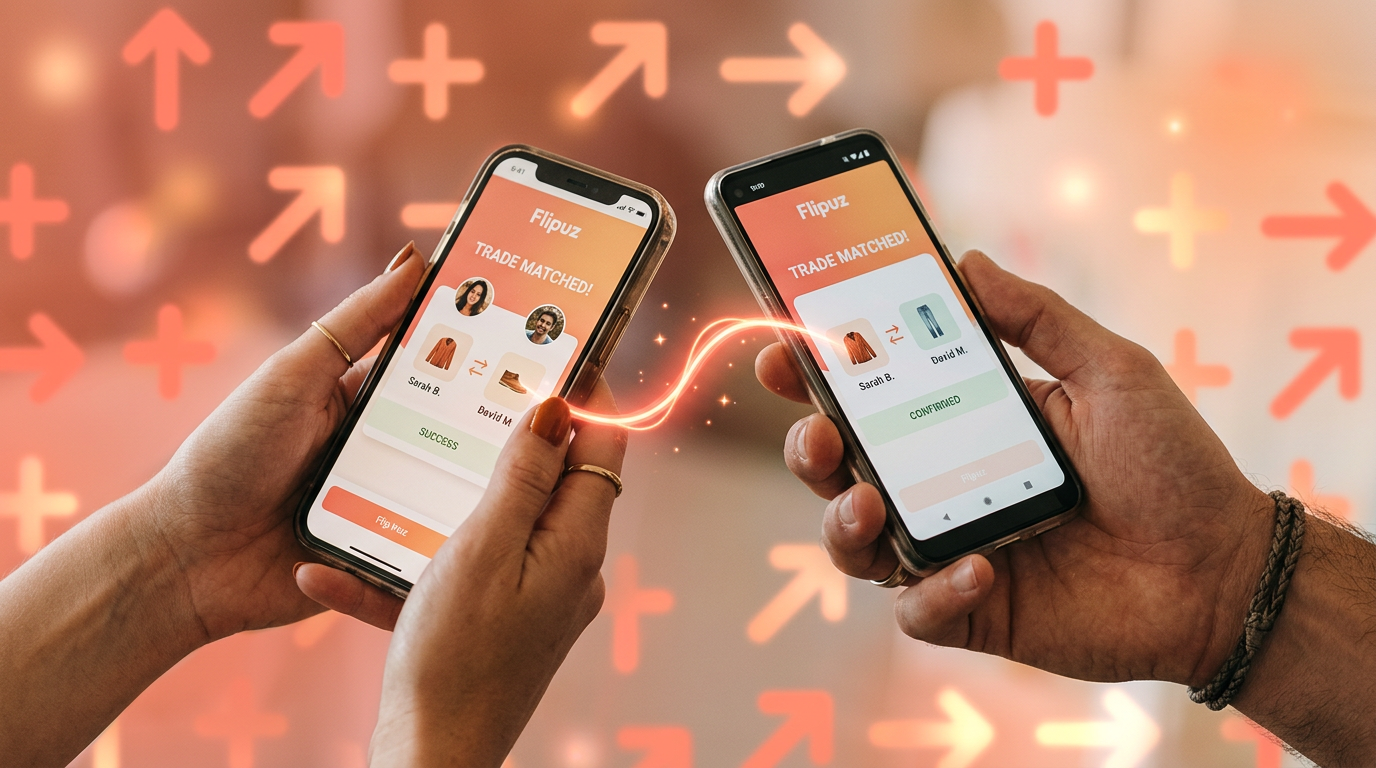
From Paperclip to Penthouse: The Modern Trade-Up Challenge
Kyle MacDonald’s story was one of patience, publicity, and sheer audacity. He leveraged a blog and growing media attention to find trades across North America. It took him a year and fourteen trades to get his house. It was an amazing feat, but it’s not easily repeatable in the analog world. You’d need to be a master of logistics and a PR genius.
A barter exchange game like Flipuz digitizes and democratizes this entire process. You don't need a blog or a TV crew. The app is your platform, your audience, and your logistics hub all in one. The community is filled with thousands of other players on their own quests.
Your challenge doesn’t have to be for a dream house, either. Your endgame could be a new camera, a sold-out pair of sneakers, a trip, or even a dream car. The goal is what gives your trades direction and purpose. Without a target, you’re just swapping randomly. With a target, every swipe is a strategic decision.
Here’s how the modern trade-up challenge works:
- You Start Small: Find your “red paperclip.” It should be something you don’t need, but that someone else might find interesting. Think quirky collectibles, a popular book, a functional but older piece of tech, or a nice piece of clothing.
- You Trade for Incremental Value: Your first trade might not be a massive jump. You might trade a book for a video game. But the video game might be more desirable or have a broader audience. The goal is to trade for items that are either objectively more valuable or easier to trade again.
- You Leverage Liquidity: Some items are “liquid”—they move fast. A popular Nintendo Switch game is more liquid than an obscure antique plate. Part of the strategy is trading into items that more people want, giving you more potential matches for your next move.
- You Build Momentum: As you complete trades, your reputation on the app grows. Other users see your trade history. They see you’re a serious player. This builds trust and makes them more likely to trade with you, especially as you start dealing with higher-value items.
The entire process is a real-life RPG. Your inventory is your clutter. Your XP is your trade history. Your final boss is your dream item.
How to Dominate a Gamified Bartering App Like Flipuz
Ready to jump in? Don't just be a player—be a pro. Success on a gamified trading platform is a mix of smart strategy, good presentation, and a little bit of hustle. Follow these steps to get ahead.
Step 1: Define Your Grand Prize
Don't start swiping blindly. Go to your profile and set your Dream. Be specific. Not just “a watch,” but “a Tudor Black Bay 58.” Not just “a car,” but a “1995 Mazda Miata.” A specific goal focuses your search and motivates your every move. It’s the North Star of your trading journey.
Step 2: Find Your Starting Item
Look around. What do you have? The best starter items are small, easy to ship, and have a clear, understandable appeal. An old iPhone, a popular board game, a brand-name jacket, a set of interesting coffee mugs. Don’t overthink it. Just pick something and get it listed.
Step 3: Create Killer Listings
This is non-negotiable. Your item is competing with thousands of others. Make it stand out.
- Photos: Clean your item. Find good, natural light. Take pictures from every angle. Be honest about any flaws—it builds trust.
- Description: Be punchy and descriptive. What is it? What’s its condition? Tell a one-sentence story about it. “This guitar was used to write my first ten songs. Now it’s ready for its next chapter.”
Step 4: Swipe with a Strategy
Amateurs swipe right on everything they like. Pros think two moves ahead. Before you swipe right, ask yourself these questions:
- Is this a step up? Does this item move me closer to my Dream, either in value or in desirability?
- Is it more “liquid” than my current item? Will this be easier to trade than what I have now?
- Does it fit my story? Trading a collection of comic books for a power tool might be a weird pivot. Try to maintain a logical progression if you can.
Step 5: Be Patient and Persistent
The perfect trade won’t happen overnight. You might get an item that’s harder to move than you expected. That’s part of the game. Don’t get discouraged. Keep swiping, keep your listing fresh, and be open to lateral trades—swapping for an item of similar value that might appeal to a different audience.
Step 6: Pull the Trigger
When you get a match that feels right, go for it. Don’t get stuck with “analysis paralysis.” The beauty of a swap app with levels is that progress is everything. Every completed trade is a level-up. It builds your history and keeps the momentum going.
This is your game to win. The tools are right in front of you. It’s time to stop daydreaming and start trading. Sign up for Flipuz and start your first quest today.
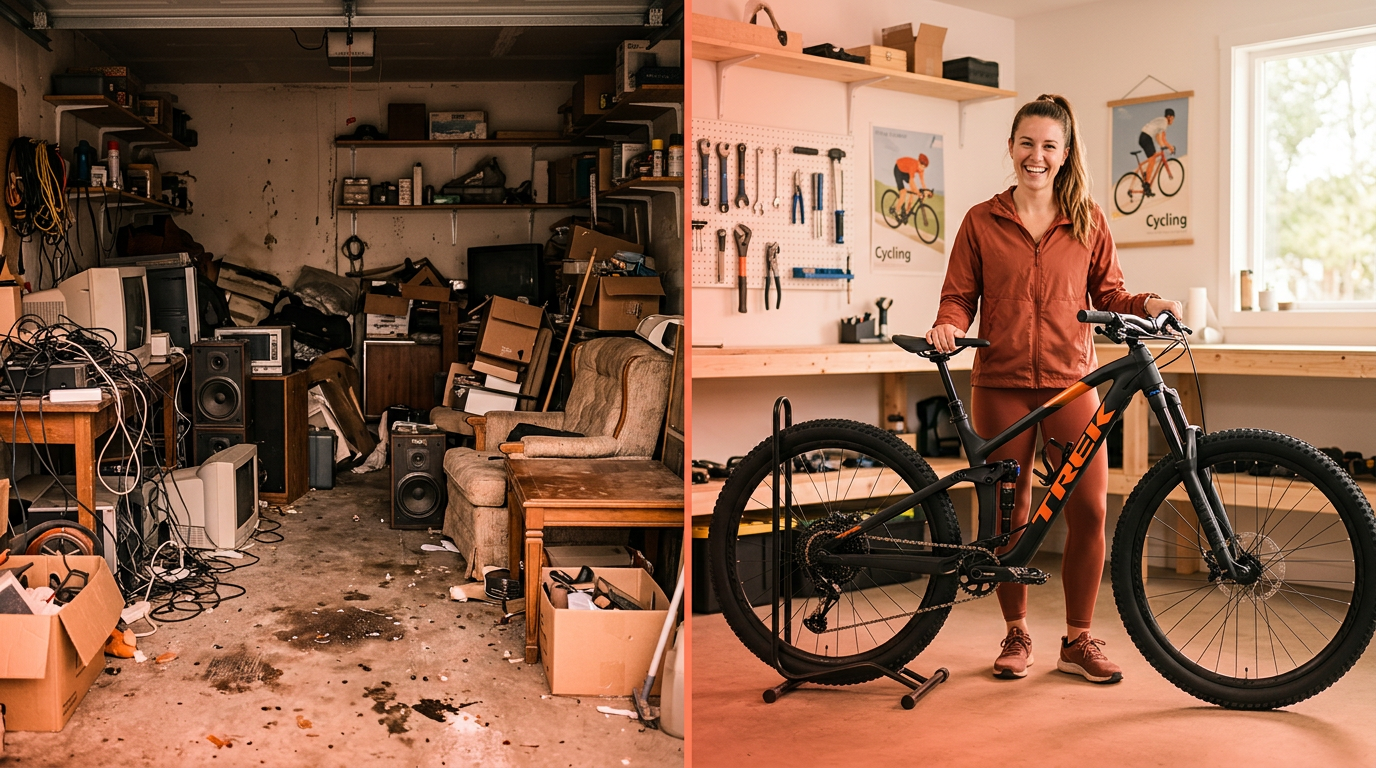
Avoiding Pitfalls: Smart Trading in the Digital Age
While a gamified app makes trading safer and more efficient, you still need to be smart. Keep these points in mind to protect yourself and make the best possible trades.
First, prioritize safety and security. Only use the app’s built-in messaging system. Never give out your personal phone number or email. Reputable apps have verification systems and community-based reporting. If a user seems suspicious or tries to take the conversation off-platform, report them immediately. On Flipuz, we take this seriously. You can review our full safety guidelines to learn more.
Second, understand subjective value. There’s no official price guide for most used items. An item is worth what someone is willing to trade for it. Do a quick search on eBay or other marketplaces to get a ballpark idea of cash value, but don’t get hung up on it. The real value is how much an item helps you advance in your trade-up quest. Someone might desperately want your “worthless” collection of Pogs for nostalgic reasons, offering something of much higher monetary value in return.
Finally, deal with getting stuck. It will happen. You’ll make a trade for something you thought was a slam dunk, only to find it has a very niche audience. This is a test of your patience. Your options are to either wait for the right person to come along or make a lateral trade for an item with broader appeal, even if it feels like a step sideways instead of forward. Sometimes, resetting with a more “liquid” item is the smartest long-term play.
The Future of Ownership is Fluid
We live in a world of excess. We buy things, use them for a bit, and then they sit. The traditional model of ownership is static and wasteful. The gamified bartering app represents a fundamental shift toward a more fluid, sustainable, and exciting way to own things.
Your possessions are no longer dead assets. They are keys. They are dynamic tokens you can use to unlock new experiences, new tools, and new opportunities. This is the circular economy in its most thrilling form.
Why let your past purchases gather dust when they could be the fuel for your future ambitions? That thing you’re not using is the first chapter of someone else’s story, and the key to the next chapter of yours.
Your adventure awaits. What will you unlock next?
Sign up for Flipuz and start your trade-up quest now.
FAQ
Is a gamified bartering app free to use?
Yes, the core features of an app like Flipuz are completely free. You can list items, swipe, match, and trade without any fees or commissions. The goal is to make bartering accessible to everyone.
What kind of items can I trade on the app?
Almost anything! People trade everything from small collectibles like Funko Pops and pins to high-end electronics, fashion, vehicles, and even services. Just make sure your item is accurately described and follows the community rules and guidelines.
How is this different from Facebook Marketplace or Craigslist?
There are three key differences. First, Flipuz is built for trading, not selling, so there's no cash involved. Second, the gamified features—like leaderboards, dream goals, and achievements—turn the experience into a fun and competitive challenge. Third, the swipe-and-match system is much faster and more efficient than scrolling through endless posts and managing messy message threads.
Do I have to be an expert trader to succeed?
Not at all. The platform is designed for everyone, from absolute beginners to seasoned traders. The key is to start with something small, be patient, and learn as you go. The most important step is simply getting started.
Stop reading. Start trading.
Pick a dream — house, car, Rolex, MacBook. Drop a starter item. Swipe. Flipuz handles the rest.