
 Trading Tips
How to Start a Trade Up Challenge: The Ultimate Guide
Ever dream of turning a tiny object into a car or a house? This is your complete playbook on how to start a trade up challenge, from picking your first item to making the final winning swap.
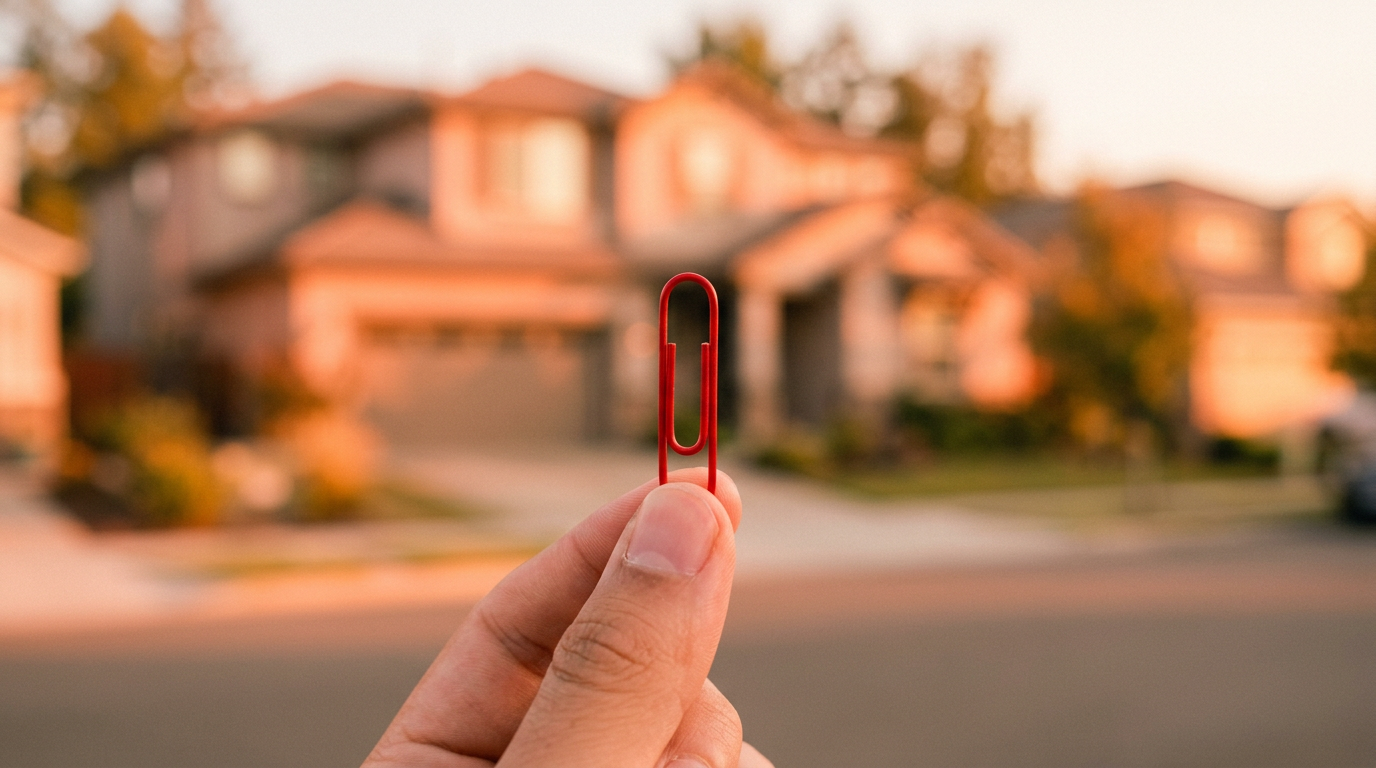
You have something small. A pen, a keychain, maybe even a literal paperclip. You also have a big dream. A car, a Rolex, maybe even a house. What if you could connect the two without spending a single dollar?
Welcome to the trade up challenge. It’s not a fantasy. It’s a strategy. One guy, Kyle MacDonald, famously started with a single piece of red stationery and, 14 trades later, became a homeowner. His one red paperclip story created a blueprint that thousands have followed, proving that value is subjective and persistence pays off.
But how do you actually do it? How do you go from a cool idea to holding the keys to your new car? You need a plan. You need rules. And you need a platform built for exactly this kind of ambition.
This is your definitive guide on how to start a trade up challenge. We're cutting the fluff and giving you the exact, actionable steps to turn your small item into your ultimate goal.
What Exactly Is a Trade Up Challenge?
A trade up challenge, sometimes called a bartering challenge, is a real-life adventure where you start with one item of low value and sequentially trade it for items of progressively higher value. The core principle is simple: no cash allowed. You are trading pure value for pure value.
Your goal can be a specific high-ticket item—like trading up for a dream car or that coveted Rolex—or it can be to see how far you can push the experiment. The journey is the story. Each swap is a chapter, a negotiation, and a step closer to your ultimate prize.
This isn't about finding someone who will give you a laptop for a paperclip in one go. It's about the chain of trades. The paperclip becomes a pen. The pen becomes a doorknob. The doorknob becomes a camping stove. Each step is a small win, a minor upgrade in perceived value that positions you for the next, slightly bigger trade. It's a masterclass in negotiation, storytelling, and understanding what people truly value.
Step 1: Define Your “Why”—The End Goal
You can't hit a target you can't see. Before you even think about your first item, you need to define your ultimate goal. Why are you doing this? What’s the prize at the end of the rainbow?
A vague goal like “something cool” won’t cut it. You need a specific, motivating target that fuels your journey and captivates potential traders.
Think big:
- A House: The holy grail of trade up challenges. It’s been done. Check out our guide on how to trade a paperclip for a house for a dose of inspiration.
- A Car: A more common, but still incredibly ambitious and achievable goal.
- A Dream Vacation: Trade your way to an all-expenses-paid trip.
- A Luxury Item: That designer watch, handbag, or high-end gaming PC you've been eyeing.
Having a clear goal does two things. First, it keeps you motivated when you’re stuck with a hard-to-trade item. Second, it becomes the backbone of your story. “Hi, I’m trading this vintage camera because I’m on a journey to trade up to a car” is infinitely more interesting than “Want to trade?”
Your story creates connection and makes people want to be a part of your journey. Browse our Dreams landing page to see what other Flipuz users are aiming for. Your ambition is your currency.
Step 2: Choose Your Starting Item
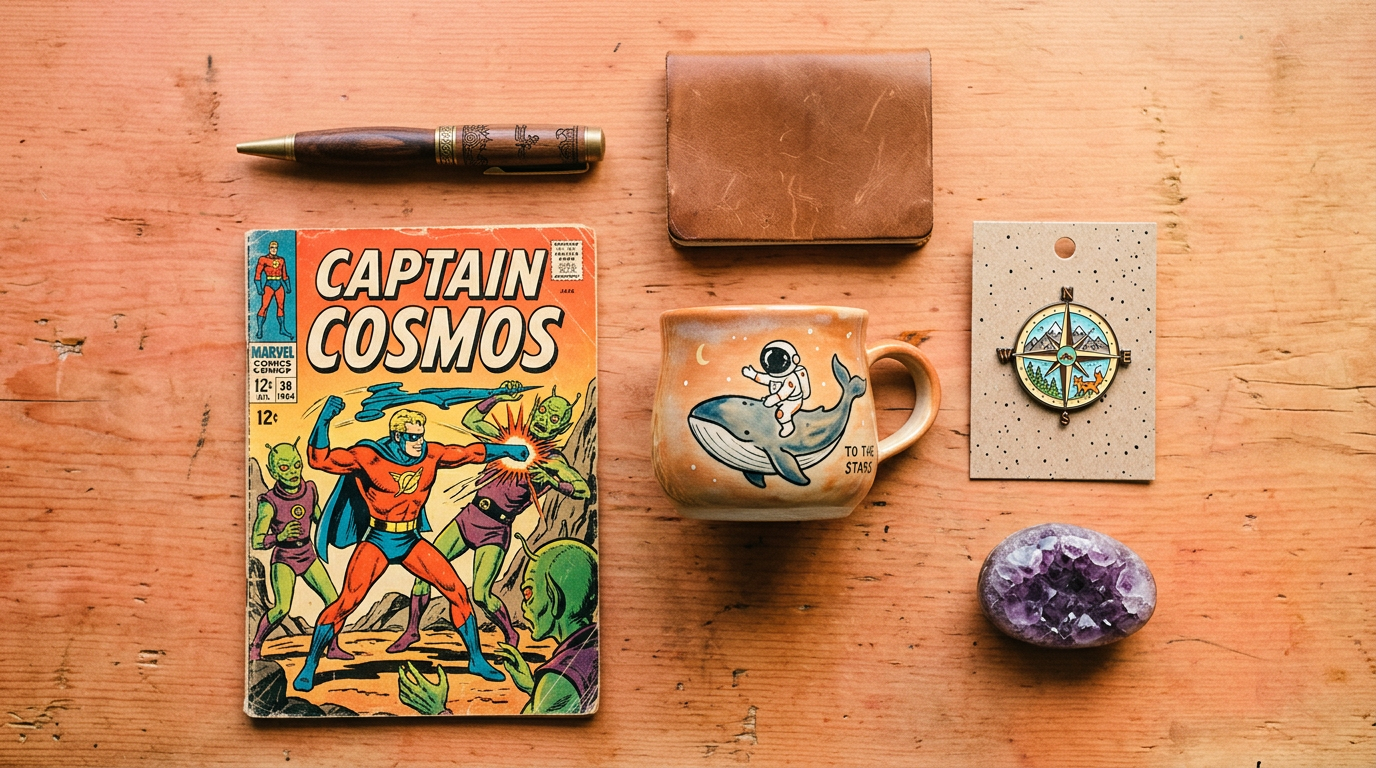
The choice of your first item is symbolic. It’s the seed from which your entire challenge grows. While Kyle MacDonald used a red paperclip, you don’t have to. The key is to pick something with the right characteristics.
Here's what to look for in a great starter item:
- Low Monetary Value: The point is to start small. It lowers the stakes for your first trade and makes the story more impressive.
- Interesting or Unique: A quirky story, a weird design, a nostalgic feel. A boring, generic pen is just a pen. A pen shaped like a fish? Now that’s a conversation starter.
- Portable and Easy to Ship: Starting with something small means you can trade with anyone, anywhere, without worrying about logistics. A bowling ball is a tougher first item than a unique enamel pin.
- Universally Understood: People should immediately grasp what the item is. Avoid obscure machine parts or highly specialized tools unless you’re in a niche community.
Need some ideas? Read our full breakdown of the best starter items for a trade up. Or, consider one of these:
- A unique coffee mug.
- A cool-looking rock or crystal.
- A signed copy of a local author's book.
- A vintage postcard.
- An interesting bottle opener.
- A deck of designer playing cards.
- A collectible toy from your childhood.
Don't overthink it. Pick something, declare it your starting item, and move on. The journey starts with the first step, not with finding the “perfect” rock.
Step 3: Establish Your Trade Up Challenge Rules
Every game needs rules. Your challenge is no exception. Setting a clear framework keeps you honest and makes your journey more legitimate to followers and future traders. These aren't just for you; they are a public declaration of your methods.
Here are the non-negotiable trade up challenge rules:
H3: Rule #1: No Cash. Ever.
This is the cardinal rule. You can’t accept cash, add cash to a trade, or buy items to trade. The moment money enters the equation, it’s no longer a bartering challenge; it’s just shopping. This forces you to be creative and trade on pure value and desirability.
H3: Rule #2: Always Aim for Higher Value.
Each trade should be a step up. However, “value” isn't just about price. Sometimes, a “sideways” trade for an item of similar monetary value is smart if the new item is more desirable, easier to trade, or appeals to a broader audience. Trading a clunky, specialized tool for a popular video game of the same price is a strategic move.
H3: Rule #3: Define Your Trading Ground.
Decide where you'll operate. Are you trading locally and in person? Or are you trading online, opening yourself up to a national or even global audience? Trading online gives you a much larger pool of potential partners, which is where a dedicated app becomes essential.
H3: Rule #4: Document Everything.
Your story is your most powerful asset. Take a picture of every item you get. Record every trade. Post updates. This transparency builds trust and creates a compelling narrative that attracts more and better offers. It’s your proof of work. For a baseline on fair play, check out the official Flipuz community /rules.
Step 4: Find People to Trade With (The Hard Part, Made Easy)
This is where most trade up challenges die. You have your item, your goal, and your rules. Now what? How do you find someone who wants your quirky pen and has something better to offer?
The old-school method involves grinding on platforms not built for bartering. You can post on Facebook Marketplace or Craigslist and hope someone sees it and is willing to trade. You could even knock on doors like Kyle MacDonald did. These methods are slow, inefficient, and filled with flakes, scammers, and lowballers.
You need a better way. You need a community of people who are all there for the same reason: to trade.
This is exactly why we built Flipuz. It’s the world’s first trade-up app designed specifically for this challenge. Forget wading through “Is this available?” messages on other platforms. On Flipuz, the process is streamlined:
- Upload Your Item: Snap a few pics of your item and write a punchy description that includes your trade up story.
- Swipe on Items You Want: See an item you’d consider a step up? Swipe right.
- Match and Chat: If the other person also swipes right on your item, it’s a match. You’re connected in a private chat where you can negotiate the deal.
Flipuz turns the most difficult part of the challenge into a simple, fun, and efficient process. It's an entire ecosystem of traders at your fingertips. No fees, no nonsense. It’s the ultimate tool for a modern bartering challenge.
Stop hunting for traders in the wild. Join the Flipuz community and start your first trade today.

Step 5: Master the Art of the Pitch
On a platform like Flipuz, your item is only half the equation. The other half is your pitch. When you match with someone, your opening message is your chance to seal the deal. A great pitch isn't about begging; it’s about creating a win-win scenario.
Here’s how to craft a compelling pitch:
H3: Lead with Your Story
Don't just say “trade?” Start with your mission. “Hey! I’m on a trade up challenge to get a new camera for my local youth center. I started with a keychain and now I have this collectible watch. I’m super interested in your drone to get one step closer to my goal!” People are more likely to help someone on a mission.
H3: Explain the “Win” for Them
Why is your item a good deal for them? Don’t just focus on what you want. Frame the trade from their perspective. “I saw you’re into hiking. This GPS watch I have would be perfect for your next trip, and it’s a lot more portable than that telescope you’re trading.” Understanding the psychology of trading up is your secret weapon.
H3: Be Personable and Confident
Your enthusiasm is infectious. Be friendly, be genuine, and be confident in the value you’re offering. You’re not asking for a handout; you’re proposing a mutually beneficial exchange. Ask questions, build rapport, and treat the other person like a future partner in your story, because that’s what they are.
Step 6: Document and Share Your Journey
Your trade up challenge is a story in the making. Sharing it is not vanity; it's strategy. Documenting your journey publicly creates social proof, builds an audience, and attracts inbound offers. When people see your progress, they want to be part of it.
Choose your platforms:
- TikTok/Instagram Reels: Perfect for short, punchy video updates showing each new item and celebrating each successful trade.
- YouTube: Ideal for longer-form content where you can detail your negotiations and strategy.
- A Blog or Flipuz Profile: Use your Flipuz bio and item descriptions to keep a running log of your trades.
By building a following, you create momentum. Soon, people will be coming to you with offers. It’s how many of the biggest trade up success stories went from small trades to massive leaps in value. They built a community around their quest.
Ready to Start Your Own Trade Up Challenge?
You have the playbook. You know the rules, the strategy, and the secret weapon used by the smartest traders. The path from a paperclip to a Porsche, a pin to a penthouse, is paved with a series of smart, strategic swaps.
The only thing separating you from your goal is the first trade. It's time to stop dreaming and start doing. Pick your item, define your goal, and get on the platform built to make it happen.
Download Flipuz for free and start your trade up challenge right now. Your adventure awaits.
FAQ
H3: What is the best item to start a trade up challenge with?
There's no single “best” item, but a great starter item is small, unique, and has a low monetary value. Think of a cool enamel pin, a vintage postcard, a quirky pen, or a collectible toy. The goal is to choose something that starts a conversation and is easy to trade.
H3: Is a trade up challenge legal?
Yes, bartering is completely legal. A trade up challenge is simply a series of barter transactions. As long as you are trading legally owned items with another consenting adult, you are operating within the law. Always prioritize your safety by meeting in public places for local trades or using a trusted platform like Flipuz for online swaps.
H3: How long does a trade up challenge take?
It varies wildly depending on your goal, your strategy, and your luck. Kyle MacDonald's famous trade for a house took about a year and 14 trades. Others might complete a challenge for a smaller item in a few weeks. The key is patience and persistence. It’s a marathon, not a sprint.
H3: Can I really trade up to a house?
Yes, it is possible. It's the ultimate achievement in the trading world and requires immense dedication, fantastic storytelling, and a bit of luck. While it's a monumental task, Kyle MacDonald proved it could be done, and his journey serves as the ultimate inspiration for anyone starting a trade up challenge.
Stop reading. Start trading.
Pick a dream — house, car, Rolex, MacBook. Drop a starter item. Swipe. Flipuz handles the rest.