
 Trading Guides
The $100 Trade Up Challenge: Your Ultimate 2024 Guide
Forget the paperclip; the $100 trade up challenge is the new gold standard for turning small items into life-changing assets. This is your definitive guide to success.
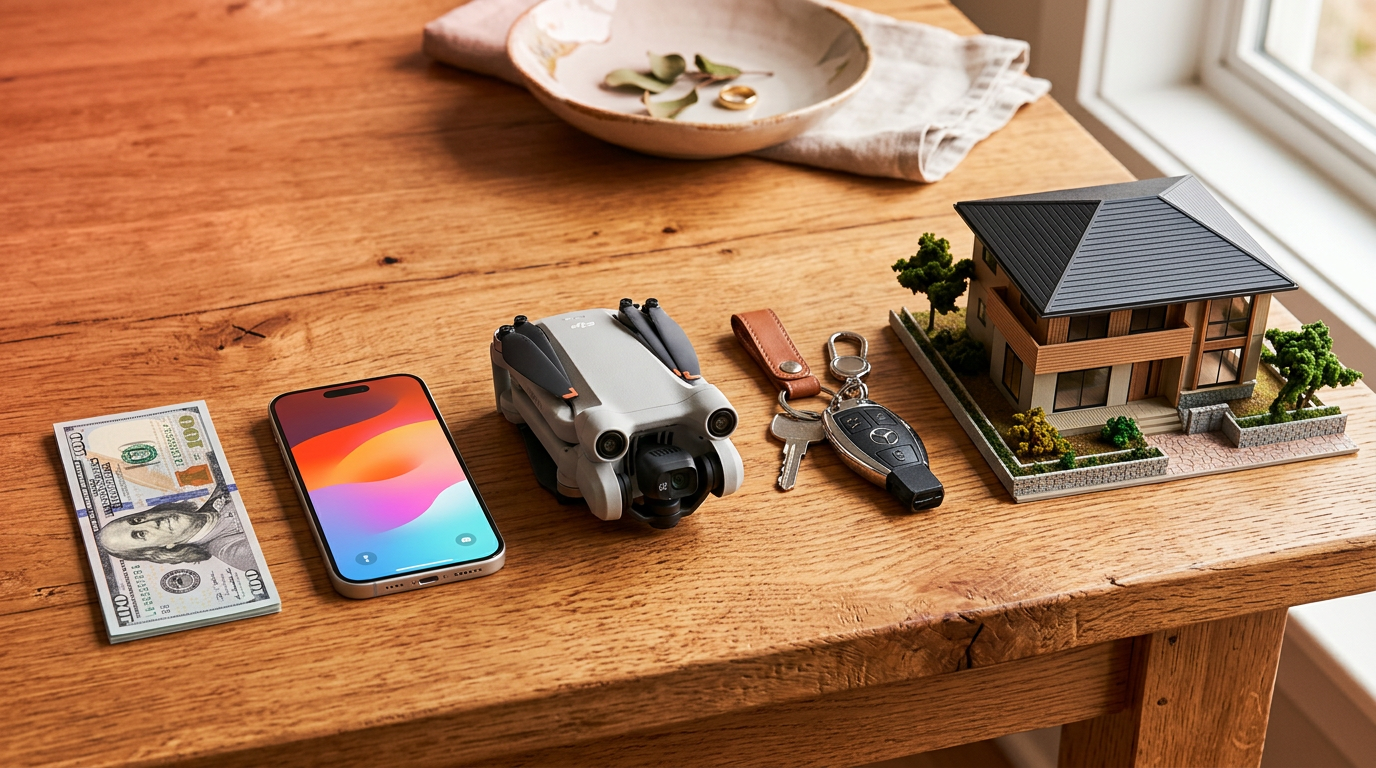
You've seen the videos. Someone starts with a cheap item and, through a series of clever swaps, ends up with a car, a tiny home, or a fat stack of cash. You’ve heard the legend of Kyle MacDonald, the guy who made the original Red Paperclip Trade all the way to a house. You thought, “I could do that.”
You’re right. You can. But starting with a paperclip is slow, tedious work. Welcome to the modern evolution of the ultimate barter quest: the $100 trade up challenge.
This isn't just about wishful thinking. It's a strategic game of value perception, negotiation, and grit. It’s about proving you can create massive value from almost nothing. The goal is audacious: turn a single Benjamin Franklin into an asset you've only dreamed of owning. A car? A down payment on a house? That Rolex you've been eyeing? It's on the table.
This guide cuts the fluff. We’ll give you the strategy, the rules, and the tools to take on the $100 trade up challenge and actually win. Stop watching from the sidelines. It's time to start trading.
What Exactly is the $100 Trade Up Challenge?
Think of it as the classic trade-up game on easy mode—at least for the first level. Instead of a single, near-worthless item, you give yourself a $100 head start. You use that cash to buy one single item. That item is your new paperclip.
From that point forward, the rules are simple but strict: no more cash. You must trade that item for something of higher value. Then you trade that new item for something of even higher value. You repeat this process, laddering your way up the value chain, one smart swap at a time.
This isn't about getting lucky. It's a test of your ability to spot opportunity, market an item, and negotiate a deal where both parties feel like they've won. The challenge gained massive popularity, becoming a viral trend especially known as the TikTok Trade Up Challenge, where creators document every single swap, building an audience that becomes invested in their journey. Your story becomes part of the value.
Unlike an arbitrary starting point, $100 is the perfect amount to bypass the initial painful grind. You’re not trying to convince someone your rusty thumbtack is their new prized possession. You’re starting with something that already has tangible, recognized value. Your job is to find someone who values it more than what they're offering in return.
Why a $100 Start is the New Sweet Spot
Starting with a paperclip is romantic, but it's brutally inefficient. The first few trades are a frustrating exercise in finding someone, anyone, willing to give you a slightly less useless object. Starting with $100 is a strategic power move.
Here’s why it works:
- You Skip the Grind: Your first item has real value. A $100 starting item—like a used Nintendo Switch Lite, a decent bicycle, or a popular pair of sneakers—immediately puts you in a trading bracket where people have interesting things to offer.
- Higher Quality Trades: People with valuable items to trade want valuable items in return. A $100 investment signals that you’re serious and that your item is worth their time. You attract better offers from the very first step.
- More Strategic Options: With $100, you have choices. You can hunt for a specific item you know is undervalued in your local market. Check out our guide on the best starter items for a trade-up to get some killer ideas. You are in control of your starting destiny, not at the mercy of finding someone who needs a pen.
The goal is to use that $100 to acquire an asset that feels like it's worth $150 or $200 to the right person. A bike that just needs a new chain and a good cleaning. A collectible that’s out of stock everywhere. A useful electronic gadget that someone needs right now. That initial injection of capital is your launchpad, designed to get you into orbit faster.
The Unwritten Rules: How to Play and Win
While the core concept is simple, executing a successful $100 trade up challenge requires discipline. These aren't just suggestions; they are the guardrails that make the game fair, challenging, and ultimately, rewarding. Mastering these rules separates the winners from the people who end up with a garage full of junk.
Rule #1: No Cash In, Ever
This is the cardinal rule. The $100 you start with is the last dollar you will ever put into the challenge. You cannot sweeten a deal with cash. You cannot pay for repairs with cash (though trading for a repair service is a savvy move). The challenge's integrity depends on this rule. It forces you to get creative and rely solely on your trading skills.
Rule #2: It's All About Perceived Value
An item's price tag is not its true value. Its true value is what someone is willing to give up to get it. Your job is to master the psychology of trading up. This means:
- Presentation is everything: Clean your items. Take amazing, well-lit photos. Write compelling descriptions that tell a story and highlight the benefits, not just the features.
- Find the right audience: A surfboard has low value in the Midwest but high value in Southern California. A high-end gaming PC is worthless to a senior citizen but a grail item for a teenager. Find the person for whom your item solves a problem or fulfills a desire.
Rule #3: Document Everything
Your journey is your biggest asset. In the age of social media, documenting your $100 trade up challenge creates a narrative that draws people in. Create a dedicated TikTok, Instagram, or YouTube series. Show the highs, the lows, the near misses. As you build an audience, you also build a pool of potential traders. People will want to be a part of your story. A well-documented journey can lead to inbound offers you never would have found otherwise.
Rule #4: Be Patient, but Decisive
Don't jump at the first offer. The perfect trade often takes time to materialize. Get a feel for what your item is worth on the trading market. However, don't get so attached that you suffer from analysis paralysis. When a great deal comes along—one that clearly moves you up the value ladder and closer to your goal—you need to have the confidence to pull the trigger. Momentum is key.
Your First Move: Finding the Perfect $100 Starter Item
The most critical trade you'll make is your first one: turning your $100 cash into your starter item. This decision sets the tone for your entire challenge. Choose wisely.
Think Local, Act Digital
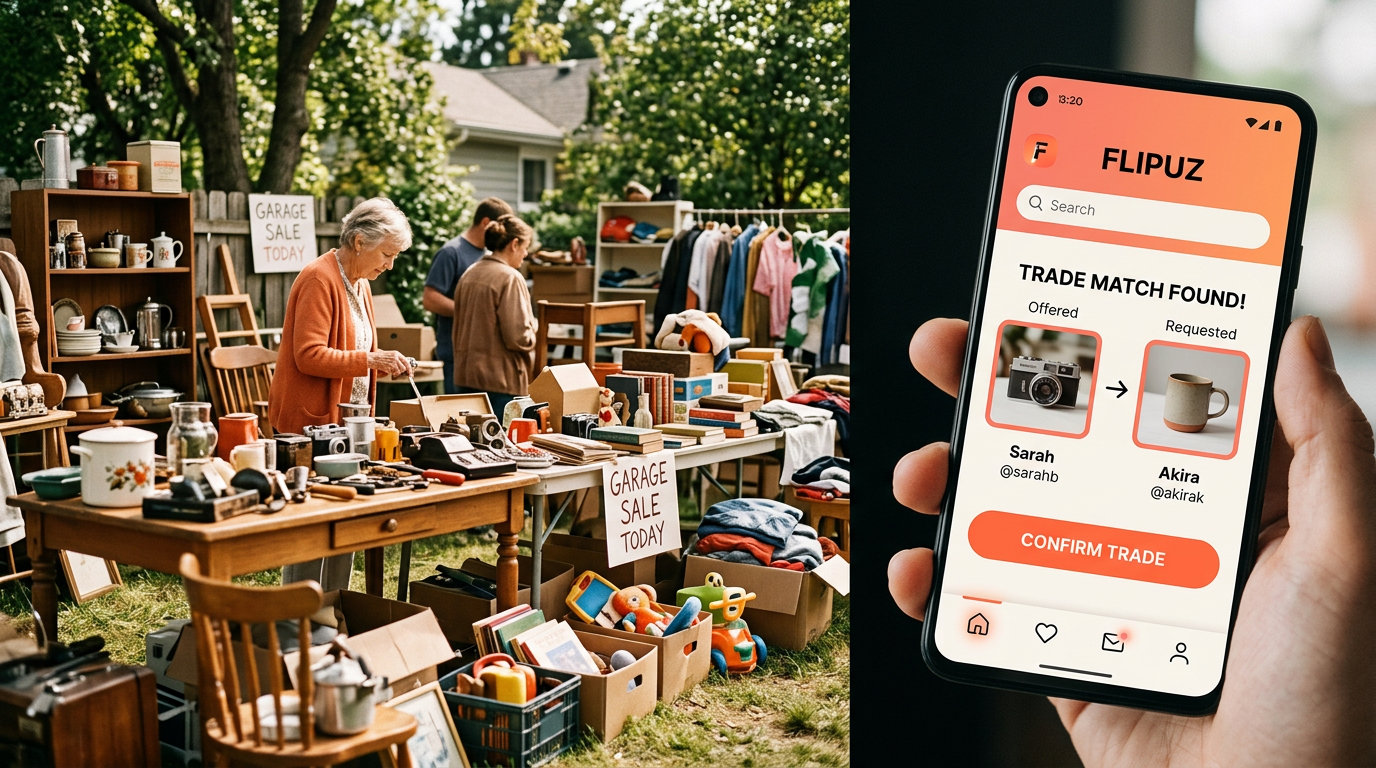
Your first purchase will likely be from a local marketplace like Craigslist or Facebook Marketplace, a garage sale, or a thrift store. You're looking for undervalued gems. But your trading should happen on a platform built for it. The noise on general marketplaces is deafening—lowballers, cash offers, and scams. You need a dedicated space.
This is where Flipuz comes in. It’s a platform designed exclusively for item-for-item swaps. The swipe-to-match system cuts through the clutter, connecting you only with people who are genuinely interested in what you have. It’s the perfect engine for your trade-up challenge.
Categories That Win
Some item categories are simply better for trading up. They have broad appeal and their value is easy to understand.
- Electronics: Game consoles (Switch, PlayStation, Xbox), drones, high-quality headphones, and unlocked smartphones are always in demand.
- Mobility Items: Bicycles, electric scooters, and skateboards are fantastic. They are high-value and people are always looking for an affordable way to get around.
- Collectibles: This is a high-risk, high-reward area. If you know your way around sneakers (like Jordans or Yeezys), trading cards, or vintage toys, you can find massive value discrepancies.
- Unique Furniture/Decor: A cool mid-century modern chair or a unique piece of art can be a huge win if you find the right person with the right home decor vision.
The "Clean & Present" Strategy
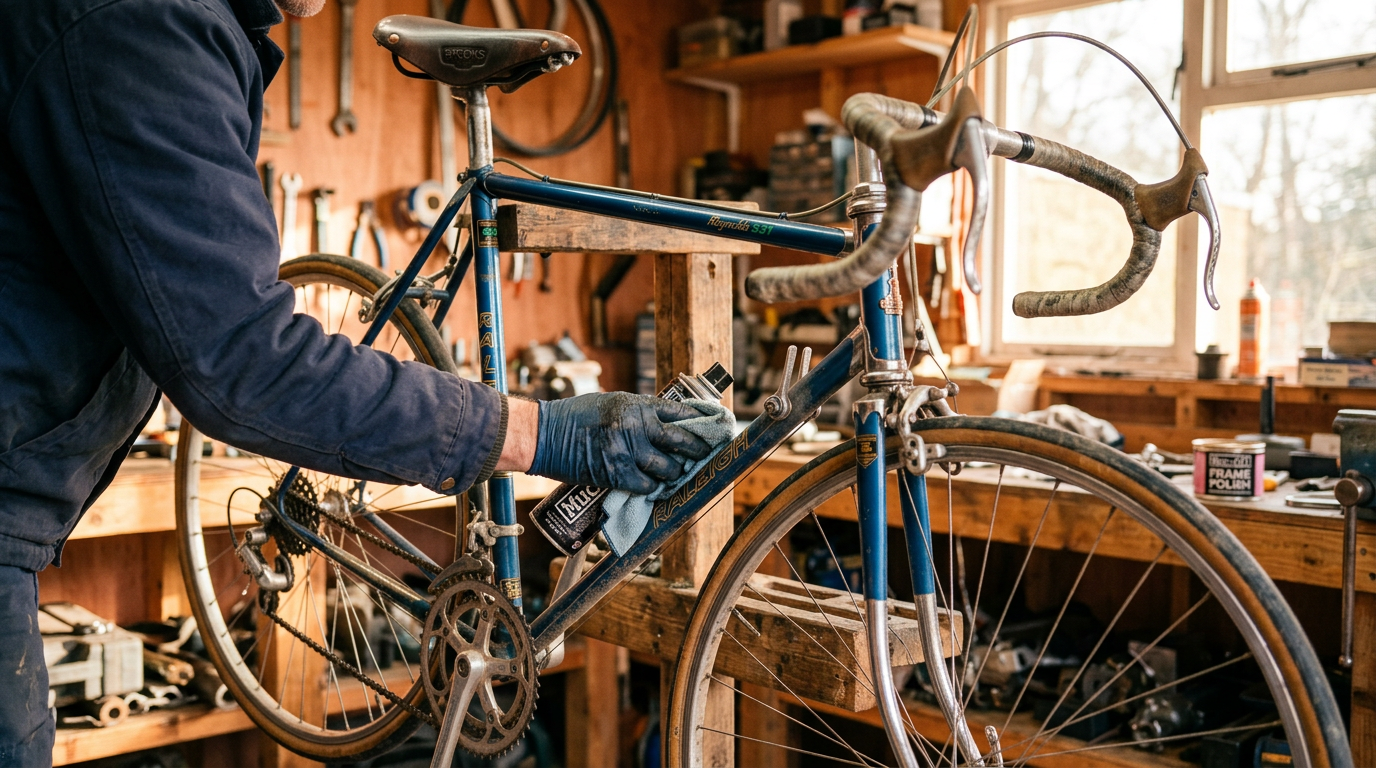
Buy low, present high. The easiest way to add value without spending money is with elbow grease. That dusty bike you bought for $80? Clean the frame, oil the chain, pump the tires, and take stunning photos of it against a clean background at golden hour. Suddenly, it doesn't look like an $80 bike. It looks like a $200 bike. Your description should be enthusiastic and honest. You're not just selling a bike; you're selling summer adventures and eco-friendly commutes.
From $100 to a House? Mapping Your Journey
The path from a $100 item to your ultimate goal can be broken down into distinct phases. Understanding this progression will help you stay focused and make strategic decisions.
The Grind Phase: $100 - $1,000
This is the busiest phase. You'll be making many smaller trades. The goal here is liquidity and velocity. You're looking for popular items that are easy to trade quickly. Think electronics, tools, and popular brand-name goods. Your goal isn't to hit a home run on every trade; it's to consistently hit singles and doubles, steadily increasing your asset's value. Don't be afraid to trade one item for two or three smaller items if the total value is a clear step up.
The Mid-Game: $1,000 - $10,000
Once you have an item (or a collection of items) worth over a thousand dollars, the game changes. You'll make fewer trades, but each one will be more significant. This is where you might consolidate your assets into a single, higher-value item like a dirt bike, a jet ski, or a high-end designer bag. The stakes are higher, and so is the need for research. You need to be certain about the value of what you have and what you're trading for. This is often the stage where people trade into their first vehicle, a major milestone on the way to a dream like trading up for a nicer car.
The Endgame: Chasing Your Dream
This is the final frontier. You're now trading with assets worth tens of thousands of dollars. Maybe you have a decent used car, an RV, or a small boat. Your trades now are laser-focused on your ultimate goal. If you're trading for a house, you might be looking to trade your asset for a plot of land or a down payment equivalent that a seller is willing to accept. These deals are complex and rare, but they are the entire point of the challenge. This is where your documented journey pays off, as finding these unique trade partners often requires a large, engaged audience.
Stop Dreaming, Start Trading on Flipuz
Reading about the $100 trade up challenge is one thing. Doing it is another.
It’s time to stop the analysis paralysis. You have the blueprint. You know the rules. You know the strategy. The only thing missing is the first step.
Forget the chaos of other platforms. You need a tool designed for one purpose: trading items for items. Flipuz is that tool. No fees to eat into your value. No cash offers to distract you. Just a pure, streamlined bartering experience.
Create your profile, use your first $100 to get a killer starter item, and list it. Swipe, match, and start your conversation. Your next great trade is waiting for you.
Your journey from $100 to your dream goal starts with a single swipe. What are you waiting for?
Download Flipuz and start your $100 trade up challenge today!
FAQ
What's a realistic goal for a $100 trade up challenge?
A realistic goal for a first-timer is to trade up to an item worth between $1,000 and $5,000. This could be a high-end computer, a used car, or a luxury vacation. Goals like a house are possible but are the Mount Everest of trading—extremely difficult and rare.
How long does a trade up challenge take?
The timeline varies wildly depending on your skill, luck, and the time you invest. A successful challenge to a significant item (like a car) typically takes several months to over a year. The original paperclip-to-house trade took one year and 14 trades.
Can I use cash at all in a trade up challenge?
No. The only cash involved is the initial $100 used to buy your first item. After that, no cash can be added to deals. The challenge's integrity relies on it being a pure bartering and value-creation exercise. Trading for services (like repairs) is generally allowed, as no cash changes hands.
What are the hardest parts of the challenge?
The hardest parts are usually patience and dealing with rejection. You will get many 'no's for every 'yes'. Staying motivated when you're stuck with an item for a few weeks can be tough. It's also challenging to accurately assess the value of unconventional items you might be offered.
What if I get stuck with an item I can't trade?
Everyone hits a wall. If an item isn't moving, re-evaluate your strategy. Are your photos good enough? Is your description compelling? Are you targeting the right audience? You might need to consider a 'side-trade' for an item of similar value that is more liquid or popular, even if it's not a direct step 'up'.
Stop reading. Start trading.
Pick a dream — house, car, Rolex, MacBook. Drop a starter item. Swipe. Flipuz handles the rest.