
 Trading Guides
The Trade Up Game: From Paperclip to Priceless in 2024
Ever wonder if you could trade a paperclip for a house? The trade-up game isn't just a legend; it's a real strategy you can master. Here's how to play and win.
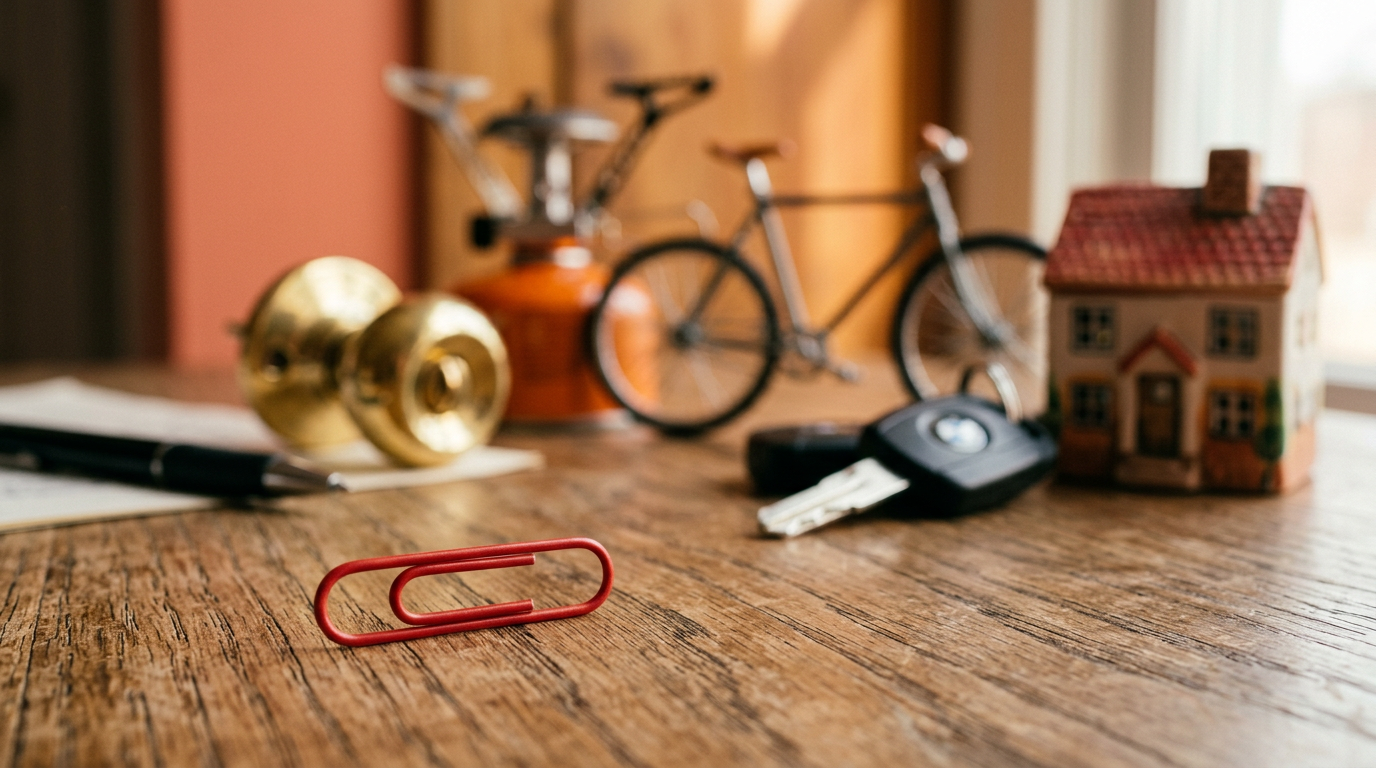
The Ultimate Guide to Winning the Trade-Up Game
You've heard the story. One red paperclip becomes a pen, becomes a doorknob, and after fourteen trades, becomes a two-story farmhouse. It sounds like a modern fairytale, but it’s real. This is the trade-up game, and it’s not about magic—it’s about strategy, hustle, and understanding value. It’s the ultimate challenge for anyone who dreams big but wants to start small.
Forget stashing cash. The trade-up game is a masterclass in creating value out of thin air. It’s a testament to the idea that what’s junk to one person is a treasure to another. You have something someone else wants. The question is, can you leverage it to get one step closer to your goal? Whether you’re chasing a Rolex, a dream car, or your own front door, the game is on. Here’s how you play to win.
What Exactly is the Trade-Up Game?
At its core, the trade-up game is a series of strategic barters. You start with an item of little to no monetary value and trade it for something slightly more valuable. You repeat this process, climbing the value ladder with each successful swap. It’s an item trading game fueled by perceived value, not price tags.
The concept exploded into pop culture thanks to Kyle MacDonald, who famously documented his journey in 2005. His legendary red paperclip trade proved that with enough persistence and creativity, the impossible was achievable. He didn't have a secret formula; he had a simple starting item and a clear, audacious goal.
This isn't about tricking people. It's about finding the right person at the right time. Your old video game console, gathering dust in a closet, might be the exact piece of nostalgia a collector is searching for. That collector might have a high-quality drone they never use. To you, the drone is a significant step up. To them, your console is the real prize. That’s a successful trade. You both win. The barter challenge is finding that win-win scenario, over and over again.
The game forces you to become a student of value. Not just market value, but utility value, novelty value, and sentimental value. You learn to see potential where others see junk. It’s a mindset shift that can change not just what you own, but how you see the world of commerce itself.
The Rules of Engagement: How to Play and Win
This isn’t a board game with a printed manual, but there are unwritten rules—principles that separate the legendary traders from the ones who give up after two swaps. Master them, and you’re already ahead.
Rule #1: Start Small, Think Big
Your starting item is your ticket into the game. Don't overthink it. The whole point is to start with something universally available and seemingly insignificant. A pen. A book you've already read. A weird keychain. The less you start with, the more epic your story becomes.
The temptation is to find something “good” to start with. Resist it. A low-value item lowers the stakes for your first trade, making it easier to find someone willing to take a chance. Check out our guide on the best starter items for your trade-up to get some inspiration. The goal of the first trade isn't to hit a home run; it's just to get on base.
Rule #2: Identify Value (Even When It's Hidden)
This is your core skill. You must train your eye to see what others miss. An old piece of furniture isn’t just wood and fabric; it’s a potential restoration project for a DIY enthusiast. A set of mismatched plates isn't useless; it's the perfect eclectic collection for a college student's first apartment. Your job is to connect the item to its next life.
Ask yourself these questions when looking at a potential trade:
- Who needs this? Identify the target audience for your item.
- What problem does it solve? Does it offer utility, entertainment, or aesthetic appeal?
- What is its story? A vintage item with a history is more compelling than a generic one.
Winning the trade-up game means you're not trading things, you're trading solutions and stories.
Rule #3: The Art of the Pitch
Once you see the value, you have to make others see it too. Your pitch is everything. When you offer a trade, don't just show the item; sell the vision. Be confident, clear, and honest.
- Don't say: "Want to trade for my old lamp?"
- Do say: "I've got this awesome vintage-style desk lamp that would be perfect for your home office setup. I noticed you're a graphic designer—this would give your space a great vibe. I'm looking for a solid pair of headphones for my commute, and I see you have a spare set."
See the difference? You connected your item to their life. You showed them the value instead of just stating it. A good pitch makes the other person feel like they are getting the better end of the deal, even when it's a perfectly balanced trade.
Rule #4: Patience is Your Superpower
The red paperclip took a year and fourteen trades. This is a marathon, not a sprint. You will face rejection. You will get offers that are a step sideways or even backward. You will have moments where you feel stuck with an item nobody wants.
This is part of the game. Every "no" gets you closer to a "yes." Every bad offer hones your negotiation skills. Real trade-up success stories are built on a foundation of persistence. Don't get discouraged. Keep your eye on the prize, document your journey, and know that the right trade is just around the corner.
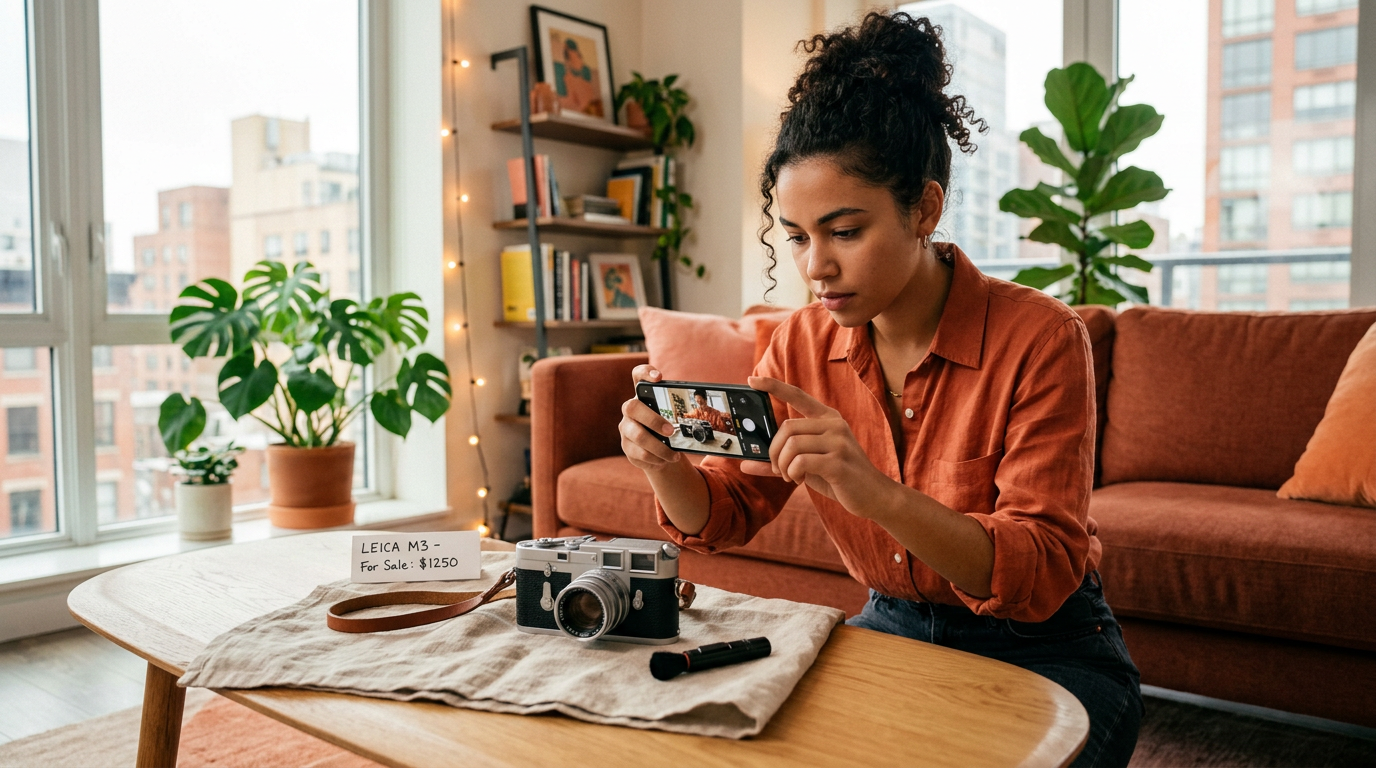
From Paperclip to Platform: The Modern Trade-Up Challenge
Kyle MacDonald had to knock on doors and navigate the Wild West of early-2000s websites. You don't. The game has evolved. Today, the trade-up challenge lives on your phone.
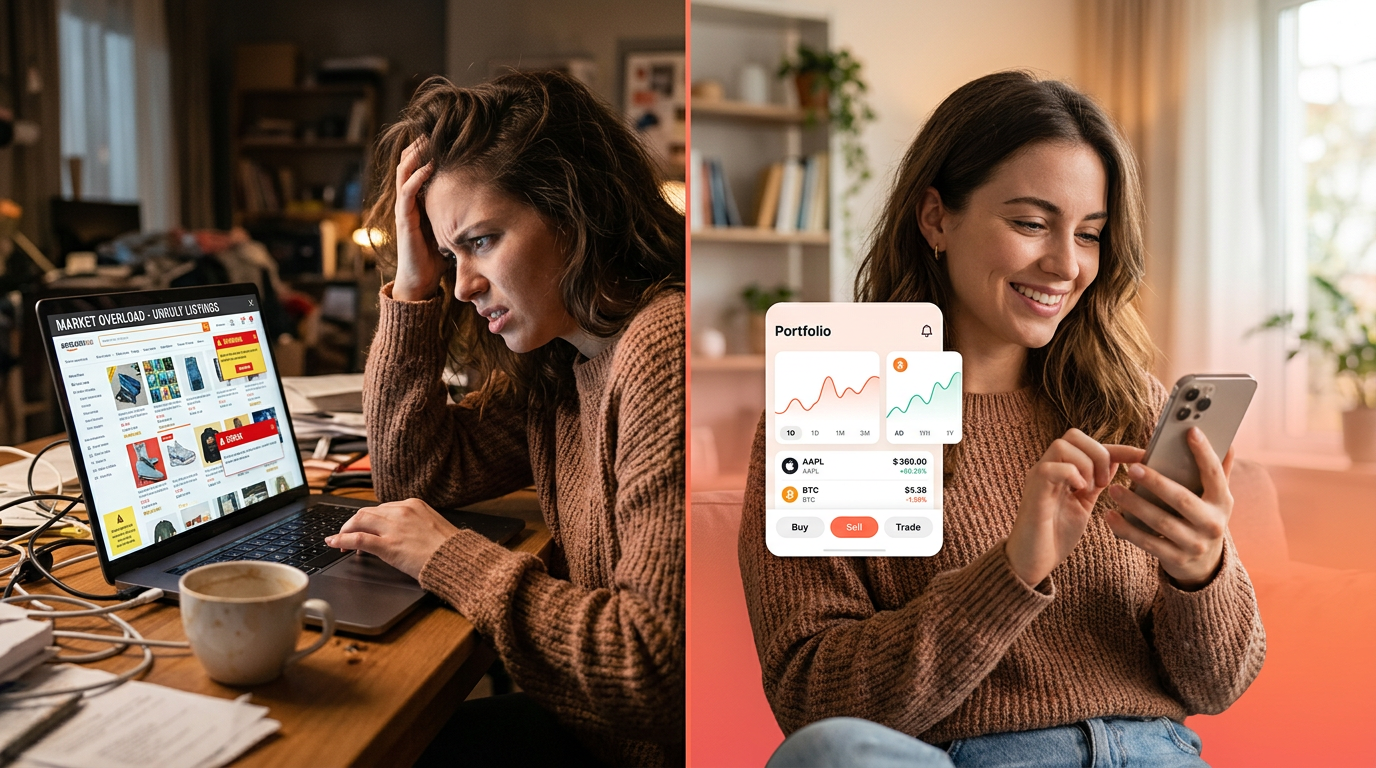
But let's be honest, using Craigslist or Facebook Marketplace for a pure barter challenge is a nightmare. It’s clunky, filled with lowballers offering cash you don’t want, and plagued by no-shows and scammers. It wasn’t built for the art of the trade; it was built for quick, messy sales.
You need a dedicated arena. You need a platform built for traders, by traders.
This is where Flipuz changes the game. We stripped away all the noise. No fees. No cash. Just pure, unadulterated trading.
- Swipe, Match, Swap: Our interface is intuitive and addictive. You swipe through items you like, and if they like your item back, it's a match. It’s streamlined and respects your time.
- Dedicated Community: Everyone on Flipuz is there for one reason: to trade. You’re instantly connected with a community of people who understand the game and are ready to play.
- Dream Board: What’s your end goal? A car? A Rolex? A down payment on a house? Pin your ultimate prize on your Flipuz profile. It keeps you motivated and shows other traders what you’re working toward. See all the amazing dreams people are chasing.
- Leaderboards: Think you're the best trader out there? Prove it. Our leaderboards track the most successful traders, turning the challenge into a city-wide competition. It gamifies the hustle and celebrates the best of the best.
Flipuz is the modern-day answer to the red paperclip. It's the tool that lets you focus on the strategy of the trade, not the logistics of finding people.
Strategies for Your First Epic Trade-Up Journey
Ready to dive in? Here are some pro-level strategies to get you started on Flipuz and accelerate your journey from a simple item to something extraordinary.
Craft the Perfect Listing
Your listing is your digital handshake. Make it count.
- High-Quality Photos: Take clear, well-lit photos from multiple angles. Clean the item. Stage it attractively. Don’t use a blurry photo of your sneakers on a messy floor. Put them on a clean surface against a neutral background.
- Compelling Descriptions: Tell the story. Instead of “Used guitar,” write “Beginner’s acoustic guitar with a great, warm tone. Perfect for learning your first songs. Comes with a soft case and a handful of picks. Trading up to chase my dream of becoming a photographer!” This adds personality and context.
Find Your Trading Niche
While you can be a generalist, specializing can give you an edge. If you know a lot about vintage synths, electronics, brand-name fashion, or first-edition books, lean into it. Your expert knowledge allows you to spot undervalued items that others might overlook, giving you a massive advantage in negotiations.
Leverage Lateral Trades
Not every trade has to be a vertical leap in value. Sometimes, a lateral trade is a smart move. You might trade an item that has a very niche audience (like a piece of specialized sporting equipment) for something with broader appeal (like a popular pair of headphones). The headphones might have a similar market value, but they’re far easier to trade up because more people want them. This move increases your “trade liquidity.”
Be a Good Human
Your reputation is an asset. Be responsive, polite, and honest. Show up on time for swaps. Describe your items accurately, including any flaws. A trader with a great reputation and positive reviews is more likely to get better offers. People want to trade with people they trust. It’s that simple.
Ready to put these strategies to the test? The first step is the easiest. Start your trade-up journey on Flipuz today!
Real People, Real Trades: The New Wave of Barter Legends
Every day on Flipuz, new stories are being written. They might not start with a paperclip, but the spirit is the same. Someone trades their old snowboard for a better mountain bike to hit the summer trails. A home cook swaps a stand mixer they never use for a high-quality chef's knife. A student trades a stack of textbooks for a tablet, making their study life infinitely easier.
These aren't just transactions. They represent progress, resourcefulness, and human connection. There's a powerful psychology behind trading up; each successful swap delivers a hit of dopamine and a feeling of accomplishment that buying something just can't replicate. You didn't just acquire something new; you earned it through your own wit and savvy.
This is your chance to stop being a passive consumer and become an active player in a dynamic marketplace. It's an opportunity to look at the clutter in your home not as junk, but as untapped potential. That pile of stuff in your garage? That’s not a mess; it’s your starting inventory.
Every item has a story and a future. You are the one who gets to write the next chapter.
Are You Ready to Play the Ultimate Trade-Up Game?
So, what are you waiting for? The trade-up game is calling. It’s a challenge of will, wit, and vision. It rewards creativity, patience, and the ability to see the opportunity that everyone else scrolls past.
You have something right now—a book, a gadget, a piece of clothing—that can be the first step on an incredible journey. You have the ability to turn that small start into something you've always dreamed of owning.
All the tools and strategies are right in front of you. The platform is free, the community is waiting, and the game is ready to be played. The only variable is you.
Download Flipuz, find your “red paperclip,” and make your first trade. Your legend starts now. Get started for free.
FAQ
Is the trade-up game legal and safe?
Absolutely. The trade-up game is just a series of barters, which is a perfectly legal form of commerce. As for safety, that's a top priority. On Flipuz, you trade with verified users. We always recommend meeting in safe, public places for swaps. For more detailed advice, check out our safety guidelines.
What is the best item to start a trade-up challenge with?
The best starting item is something simple, common, and easy to part with. Think of a popular paperback book, a novelty coffee mug, a simple tool, or even a unique pin. The lower the initial value, the more impressive your journey will be. The key is to pick something that has a potential story or a clear use for someone else.
How long does a trade-up game actually take?
There's no set timeline. A trade-up journey can take a few weeks or, like Kyle MacDonald's, over a year. The duration depends on your goal, your strategy, the items you trade, and how actively you pursue new swaps. The key is to be persistent and patient, celebrating each small step up the value ladder.
Can you really trade all the way up to a house?
Yes, it has been done and it remains the ultimate goal for many ambitious traders. While trading up to a house requires an incredible amount of dedication, skill, and some luck, it's the pinnacle of the trade-up game. Platforms like Flipuz make the journey more achievable by connecting you with a massive network of traders, helping you make the hundreds of small trades needed to climb toward such a monumental goal.
Stop reading. Start trading.
Pick a dream — house, car, Rolex, MacBook. Drop a starter item. Swipe. Flipuz handles the rest.